Riding instructor insurance

Based in Texas. Licensed in 20 states.

Insurance for riding instructors

Most riding instructors need three kinds of coverage. Equine liability covers injuries to students and others. Instructor liability covers claims about how you taught. Care, custody and control covers horses you don't own while you teach on them. Where you teach, whose horses your students ride and whether you run camps decide what else you need.

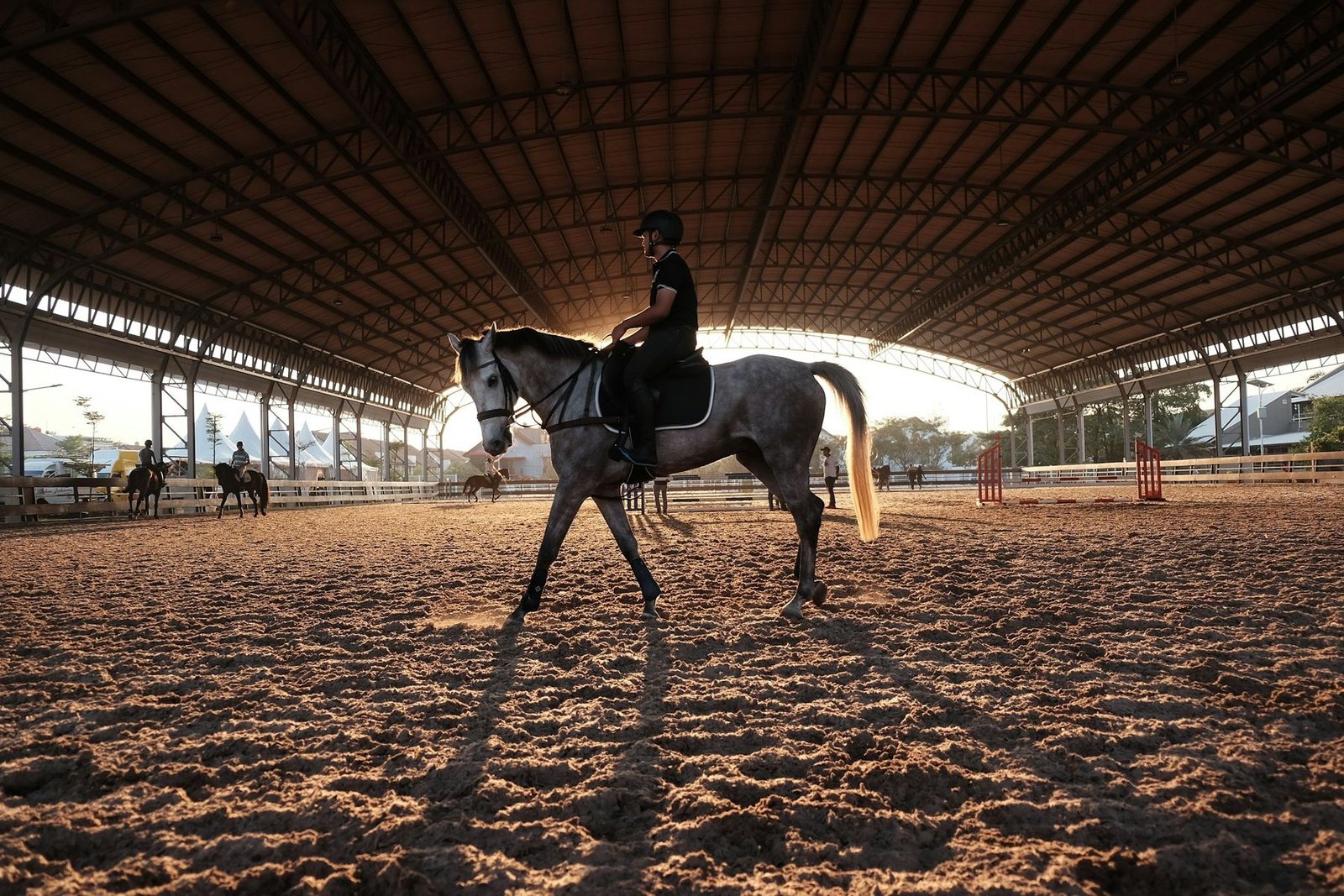
A rider in a helmet walks a gray horse across a large covered riding arena at sunset while other riders work in the background

From the founder

Start with how your lessons actually run

“I want to hear your story. I want to hear your history. I want to hear where do you want to go. I want to learn your legacy.”

Jonathan starts an instructor's review by listening. He asks who rides with you, whose horses they ride, where you teach and what you want the program to become. Then he checks how the policy answers each part of that.

Jonathan Killian

Jonathan Killian

Owner/Agent, Killian Insurance Agency

What can go wrong

Six situations every instructor should check their coverage against.

Jonathan starts a review from the situations a business runs into. These are the ones that come up for riding instructors.

A student falls during a lesson

This is the claim most instructors think about first. It can be brought as a general injury claim or as a claim that your teaching caused it, for example moving a student up too fast. Check that your policy names instruction and covers both kinds of claim.

A lesson horse kicks someone

A parent on the rail or another rider is hurt by a horse in your program. That is an equine liability claim. Check whether your policy covers you only at one address or wherever you teach.

A student's own horse is hurt in a lesson

A horse you don't own is injured while you're in charge of it. Standard liability usually excludes property in your care, and a horse counts as property. Care, custody and control coverage is written for this.

You teach at someone else's barn

The barn owner's policy is written to protect the barn owner. Many barns ask outside instructors for their own certificate of insurance and to be named on it. Check what your arrangement with the barn requires.

You run a summer camp or clinic

More riders, more hours and often more children. Some instructor policies include occasional events and others need event coverage added. Ask whether accident medical coverage for participants makes sense.

Most of your students are kids

Parents sign the release, but state law varies on whether a parent can give up a child's right to sue. Check that your release is written for the state you teach in, and don't treat it as a substitute for coverage.

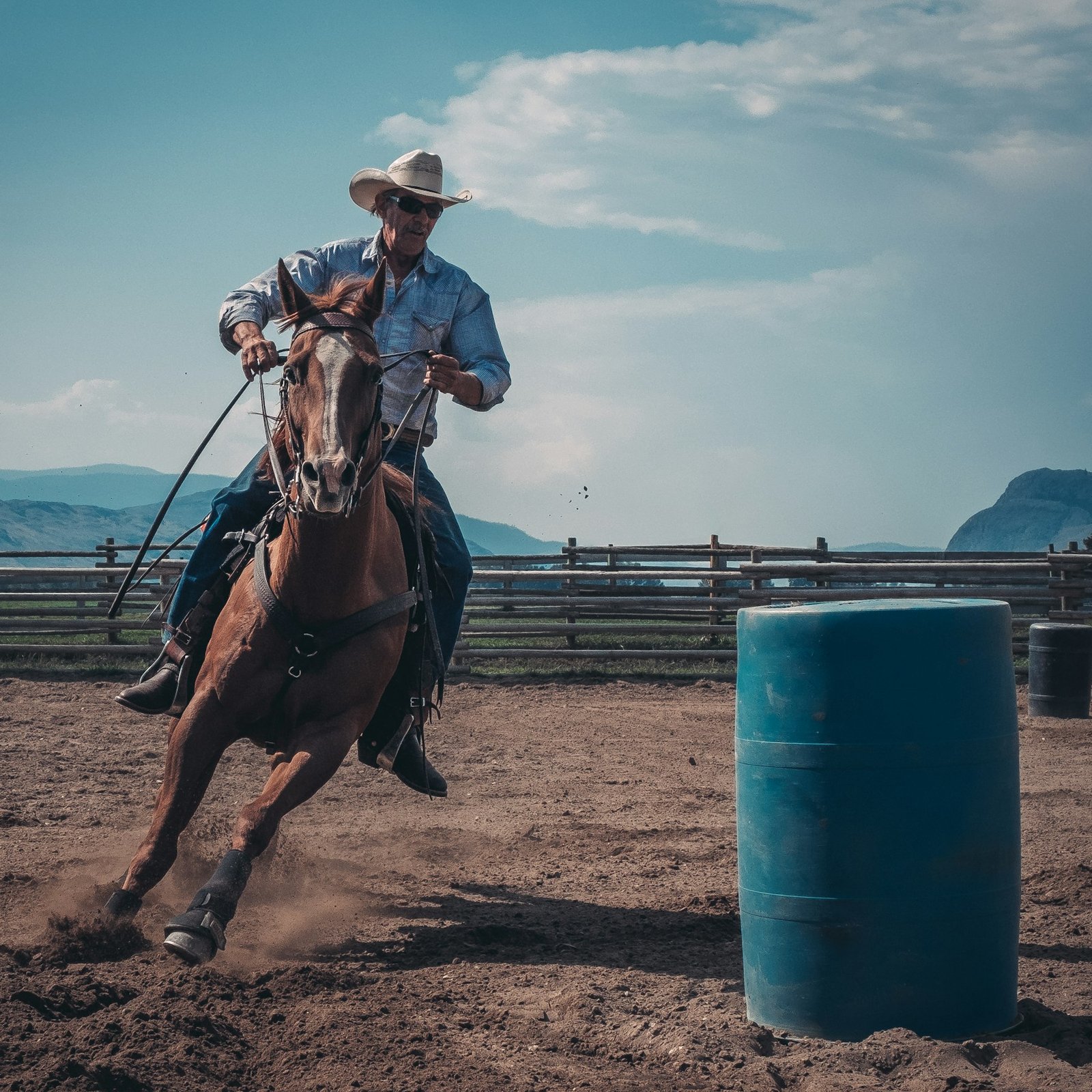
Man in a cowboy hat leans into a barrel turn on a chestnut horse in a dirt arena

Your setup

Your setup decides what you need

Killian can review and place the coverages named below.

You run a lesson program at your own barn

You carry the facility side too, meaning the barn, the arena, visitors and any school horses you own.

You rent arena time or lease space at a barn

You need your own liability and instruction coverage, plus whatever additional insured wording the barn's agreement requires.

You travel to teach at your students' barns

You need coverage that isn't tied to one address. You're usually teaching on a horse you don't own, so care, custody and control matters too.

If you also train horses for clients or board them, see horse trainer insurance or horse boarding insurance.

For other kinds of horse business, see equine business insurance.

Illustrative example

A hunter-jumper instructor teaches about 20 lessons a week at three barns, mostly on her students' own horses. Each summer she runs a one-week camp at one of the barns. Her setup raises five questions.

  1. Does her policy name instruction, and does it cover her at all three barns?
  2. Who pays if a student's horse is hurt during her lesson?
  3. Does the camp need its own coverage, and does the host barn want to be named on it?
  4. Is the release her students' parents sign written for the state she teaches in?
  5. Does she carry the liability limit each barn asks for on its certificate?

Illustrative example. Not a real client's policy.
Cost

What affects the cost of riding instructor insurance

We don't publish prices. An instructor giving a few flat lessons a week and a lesson barn with a string of school horses and summer camps are priced differently. The price depends on these facts.

  • How many lessons you give each week, and how many students you have
  • What you teach, such as beginner flat work, jumping or speed events
  • How old your students are
  • Whether the lesson horses are yours or your students'
  • Whether you run camps, clinics or take students to shows
  • Whether you teach at your own facility or travel
  • The liability limit and deductible you choose
  • Your experience and certifications, and your claims history

Bring these to a review and the quote you get back will match how you work.

Rider in a cowboy hat on a white horse at sunset in a mountain field

If you operate in Texas

The Texas warning sign and your insurance

Texas's Farm Animal Liability Act (Chapter 87 of the Civil Practice and Remedies Code) limits liability for injuries caused by the inherent risks of working with horses and other farm animals. Since a 2021 change to the law, farm animal professionals and farm owners and lessees must post a warning sign with the statute's wording. Farm animal professionals include people paid to instruct riders. The same warning has to appear, clearly readable, in every written contract for instruction or services, including contracts with employees and contractors.

The sign helps, but it doesn't replace insurance. The Act has exceptions, for example when the professional supplied faulty tack, or supplied the horse without a reasonable effort to judge whether the rider could handle it safely. You still have to defend a lawsuit to rely on it. Forty-eight states have some version of this law, and the wording and exceptions differ from state to state.

How a review works

Four steps, starting with how you work

  1. Tell us how your lessons run

    Who rides with you, on whose horses, where you teach and what events you run.

  2. Send what you have

    Current policies, plus any barn agreement and the release your students sign.

  3. We compare your work against your coverage

    We show you where they match and where they don't.

  4. You decide

    In Jonathan Killian's words, “At the end of the day, the client is the one that needs to determine what makes the best sense for them.”

Questions riding instructors ask

Most states don't require riding instructors to carry insurance by law. Barns, show managers and parents often ask for it, and many barns want a certificate of insurance before you teach on their property.

Usually not. Homeowners policies generally exclude business activity, and lessons for pay are a business. Some farm policies can be extended to cover lessons, and the wording decides.

Equine liability covers injuries and property damage tied to your horses and your premises or operations. Instructor or professional liability covers claims that your teaching caused the harm, such as putting a student on the wrong horse. Some equine policies combine the two and some don't, so check how yours is written.

It's worth discussing. If a horse you don't own is hurt while it's in your care, a standard liability policy usually won't pay for the horse. Care, custody and control coverage is written for that.

No. A release, and in states like Texas a posted warning sign, can limit some claims. Both have exceptions, releases signed for minors don't hold up the same way in every state, and you still have to defend a lawsuit to use them. When a claim is covered, insurance pays for that defense.

It depends on the facts in the cost section above, including how much you teach, what you teach, who your students are, whose horses they ride and the limits you choose. A quote is built from those facts.

Sometimes. Some instructor policies include occasional events and others need event coverage added. Camps with children often call for accident medical coverage for participants. Ask the host barn what it requires too.

Want someone to look at your setup?

Killian Insurance Agency is based in Texas and works with horse businesses in the 20 states where Killian is licensed, listed at the bottom of this page.

Tell us how your lessons run and we'll show you where your coverage fits your program and where it doesn't. There's no cost to review your coverage.

Request a coverage review
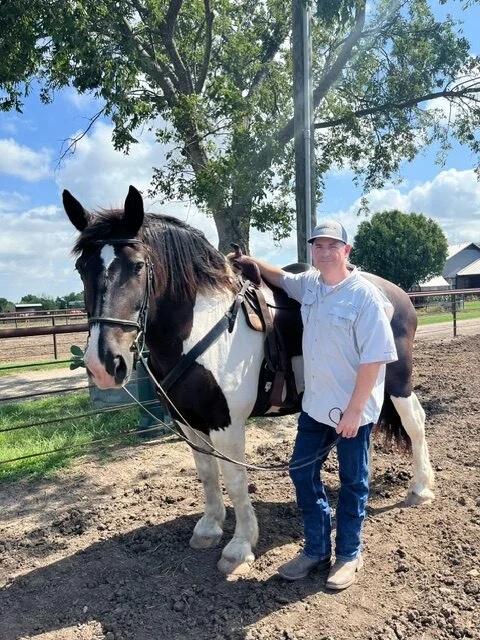
Jonathan Killian standing beside a saddled black-and-white paint horse in a corral
Older rider in a cowboy hat on an appaloosa horse in tall grass at dusk, with a second horse grazing behind