Horse boarding insurance

Based in Texas. Licensed in 20 states.

Insurance for horse boarding facilities

Most boarding barns need three kinds of coverage. Commercial equine liability covers injuries to boarders and visitors. Care, custody and control covers the horses you board. Property coverage protects barns, arenas, fencing and hay. The type of board you offer, who else works on your property and whether you have employees decide what else you need.

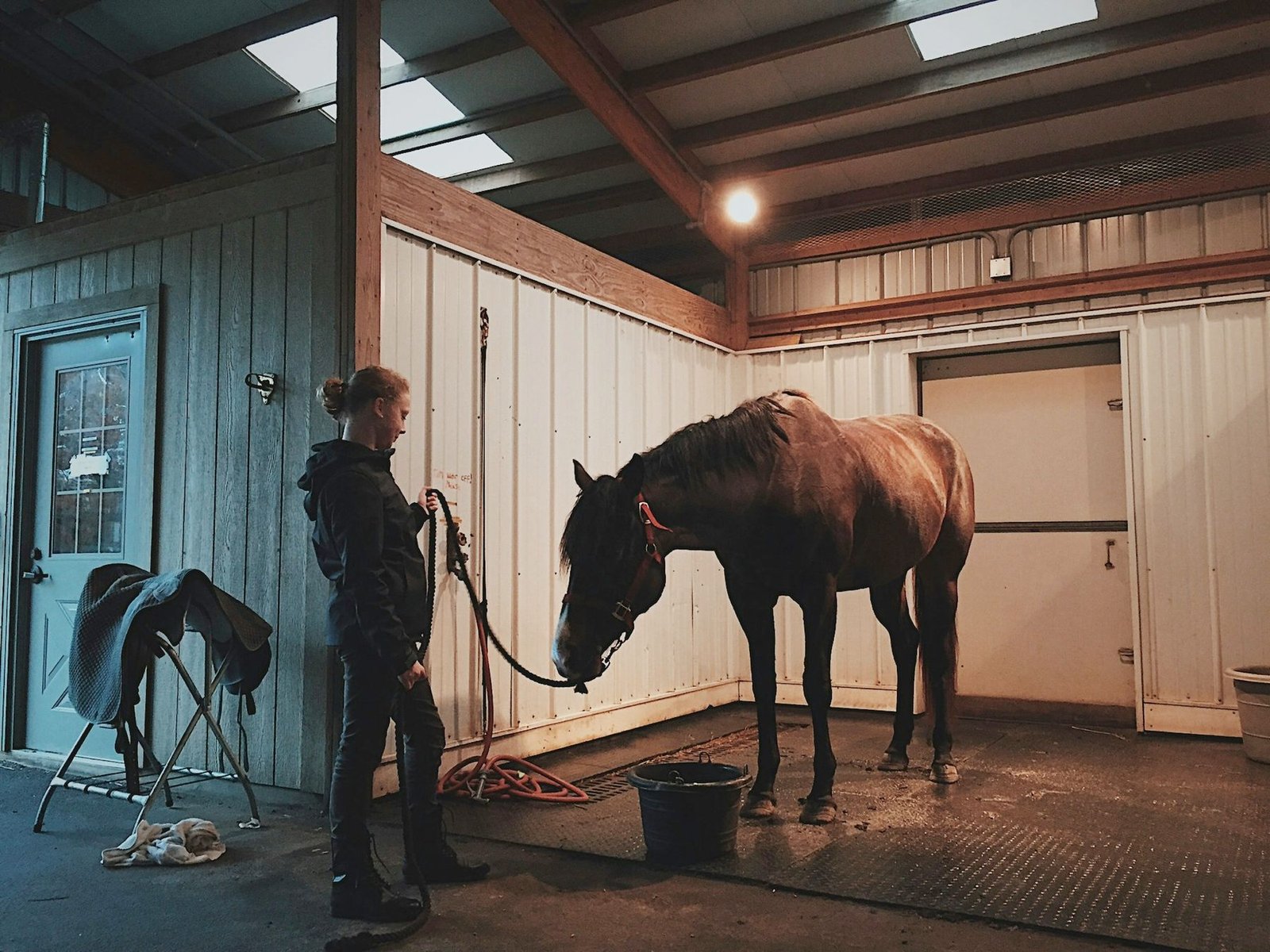
Woman holds a freshly bathed bay horse on a lead in the wash rack of a metal-sided barn, with a hose and bucket

From the founder

Ask why the numbers look the way they do

“I just want to have a conversation. There's got to be a reason. Well, what is that reason?”

Reviewing a Dallas-area horse operation, Jonathan noticed its arena was insured for much more than a similar arena. He compared the size and features, ran the agency's own rebuilding calculation and suggested asking the original builder what it would cost to rebuild today.

The owner chose to keep the higher coverage, at least for that year, because of uncertainty about the future. The review gave the owner the information to make that choice.

Jonathan Killian

Jonathan Killian

Owner/Agent, Killian Insurance Agency

What can go wrong

Six situations every boarding barn should check its coverage against.

Jonathan starts a review from the situations a business runs into. These are the ones that come up for boarding barns.

A boarder's horse is hurt or dies in your care

A horse colics, is injured in turnout or is caught in a barn fire. A general liability policy usually excludes property in your care, and a boarded horse counts as property. Care, custody and control coverage is written for this. Check your limit per horse against the most valuable horse in your barn.

A visitor or boarder gets kicked or falls

A boarder, a farrier or a child watching from the rail is hurt on your property. That is a commercial equine liability claim. Check that the policy covers what happens on your property as well as the buildings.

A horse gets loose and causes a wreck

A horse goes through a fence and onto the road. The claim can come back to the barn that was caring for it. Check that your liability coverage follows the horses in your care off the property.

Fire or a storm hits the barn, arena or hay

Barns, arenas, fencing, equipment and stored hay are farm property. Check that each is listed, and that the amounts reflect what it would cost to rebuild today rather than what you paid.

Trainers and instructors use your arena

Their lessons and training are their business, and your policy may not cover them. Many barns ask outside professionals for their own certificate of insurance naming the barn. If you teach or train yourself, check that your policy names it.

You hire help

Workers' compensation rules depend on the state. In Texas it is optional for most employers, but going without it has consequences. Check who works for you and whether they're employees or contractors.

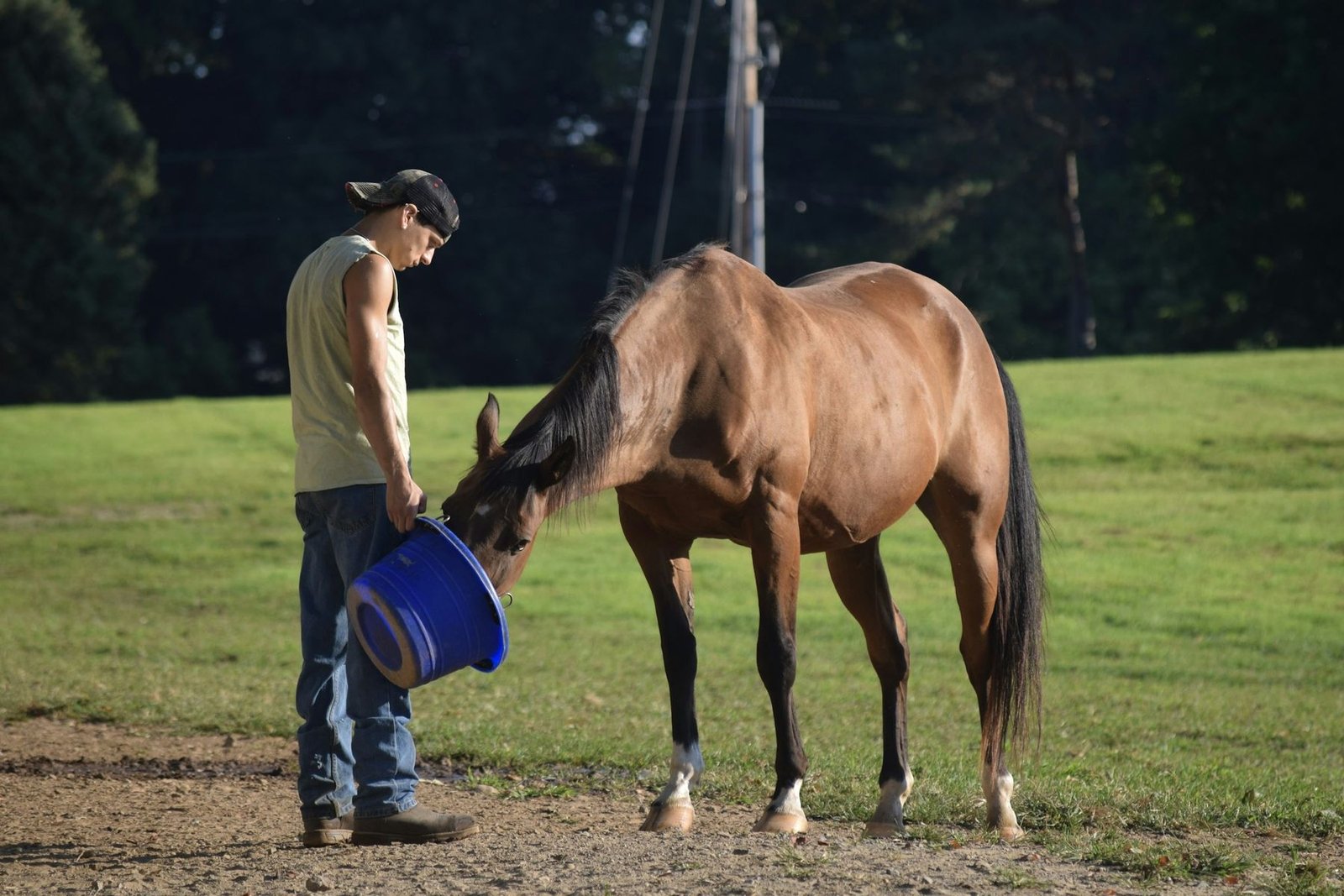
Man in a cap and jeans feeds a bay horse from a blue bucket in a green pasture

Your setup

Your setup decides what you need

Killian can review and place the coverages named below.

You offer full-care board

You feed, turn out and handle the horses every day, so care, custody and control is a large part of your exposure. Your per-horse limit matters.

You offer pasture or self-care board

Boarders do more of the daily care, which can lower that exposure. You still carry liability for your property, and your boarding contract should say who is responsible for what.

You also run lessons, training or events

Each is its own exposure. Check that your policy names it, or that whoever runs it carries their own coverage.

Your boarding contract

It should say what the barn's insurance covers, whether boarders must insure their own horses, and what they agree to when they sign. Bring it to the review.

If you also teach lessons or train horses, see riding instructor insurance or horse trainer insurance.

For other kinds of horse business, see equine business insurance.

Illustrative example

A 24-stall barn offers full-care board, has a lighted arena and 40 acres of pasture, and lets two outside trainers work there. Its setup raises five questions.

  1. Is the care, custody and control limit per horse enough for the most valuable horse in the barn?
  2. Are the barn and arena insured for what they would cost to rebuild today?
  3. Do both trainers carry their own coverage, and are they required to name the barn?
  4. Does the boarding contract say what the barn's insurance covers and what boarders should carry?
  5. If a horse gets out onto the road, does the barn's liability coverage respond?

Illustrative example. Not a real client's policy.
Cost

What affects the cost of horse boarding insurance

We don't publish prices. A barn with six pasture boarders and a full-care facility with 40 stalls and an indoor arena are priced differently. The price depends on these facts.

  • How many horses you board, and the type of board you offer
  • The value of the most expensive horse in your care
  • The buildings, arena, fencing, equipment and hay you insure, and what they would cost to replace
  • Whether there are lessons, training, clinics or shows on the property
  • Whether you have employees
  • The liability limit and deductible you choose
  • How long you've been in business, your claims history and where you're located

Bring these to a review and the quote you get back will match how you work.

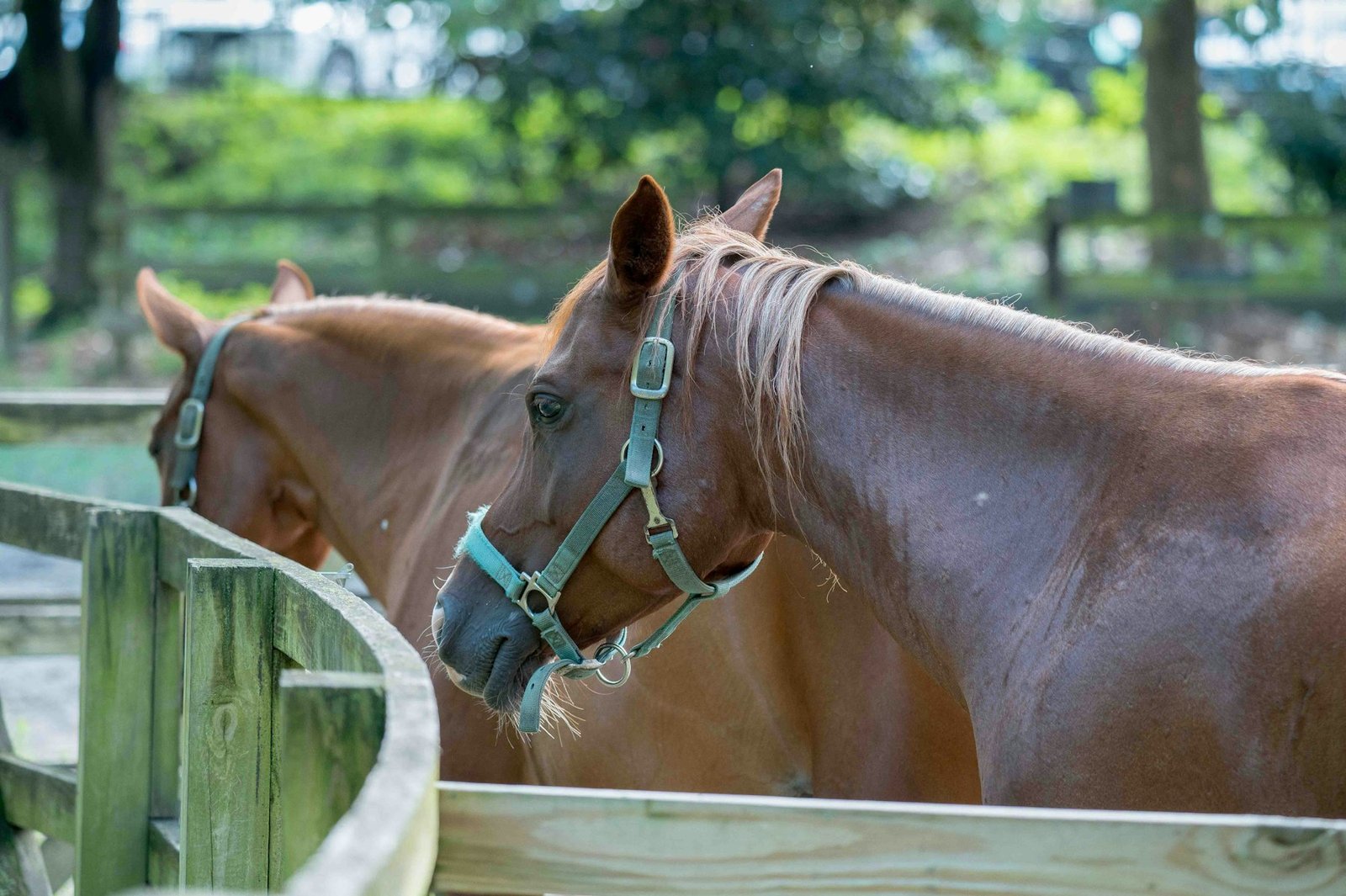
Two brown horses in green halters look over a wooden fence in a grassy pasture

If you operate in Texas

The Texas warning sign and your insurance

Texas's Farm Animal Liability Act (Chapter 87 of the Civil Practice and Remedies Code) limits liability for injuries caused by the inherent risks of working with horses and other farm animals. Since a 2021 change to the law, farm animal professionals and farm owners and lessees must post a warning sign with the statute's wording. That includes boarding barns. The same warning also has to appear, clearly readable, in every written contract for services, instruction or renting out tack or a horse, which can include your boarding contract.

The sign helps, but it doesn't replace insurance. The Act has exceptions, for example a dangerous condition on the property that the owner knew about and didn't post a warning for. You still have to defend a lawsuit to rely on it, and it does nothing for a boarded horse that is hurt or killed. Forty-eight states have some version of this law, and the wording and exceptions differ from state to state.

How a review works

Four steps, starting with how you work

  1. Tell us how your barn runs

    How many horses, what kind of board, who else works there and what happens on the property.

  2. Send what you have

    Current policies, your boarding contract and any agreements with trainers or instructors.

  3. We compare your barn against your coverage

    We show you where they match and where they don't.

  4. You decide

    In Jonathan Killian's words, “At the end of the day, the client is the one that needs to determine what makes the best sense for them.”

Questions boarding barn owners ask

Usually commercial equine liability, care, custody and control coverage for boarded horses, and property coverage for barns, arenas, fencing, equipment and hay. Workers' compensation, coverage for lessons or events, and business income coverage depend on how you operate.

Usually not once you board for pay. Homeowners policies generally exclude business activity, and many farm policies limit or exclude boarding. Some can be endorsed to cover it, and the wording decides.

It depends on what happened, who was in charge of the horse and your state's law. A claim can be made against the barn, the horse's owner or both. When a claim is covered, liability insurance pays for the defense and any settlement up to the limit.

Many barns require it. Boarders can insure their own horses against death or major medical costs, and some barns also ask boarders to carry personal liability. Your boarding contract is the place to say what you require.

Start with the value of the most valuable horse you care for and the total value of all the boarded horses. Policies usually have a limit per horse and a limit overall, and both matter.

It depends on the facts in the cost section above, including how many horses you board, what kind of board you offer, what you insure on the property and the limits you choose. A quote is built from those facts.

No. A good contract and release, and in states like Texas a posted warning sign, can limit some claims. They have exceptions, and you still have to defend a lawsuit to use them. When a claim is covered, insurance pays for that defense.

Want someone to look at your setup?

Killian Insurance Agency is based in Texas and works with horse businesses in the 20 states where Killian is licensed, listed at the bottom of this page.

Tell us how your barn runs and we'll show you where your coverage fits your barn and where it doesn't. There's no cost to review your coverage.

Request a coverage review
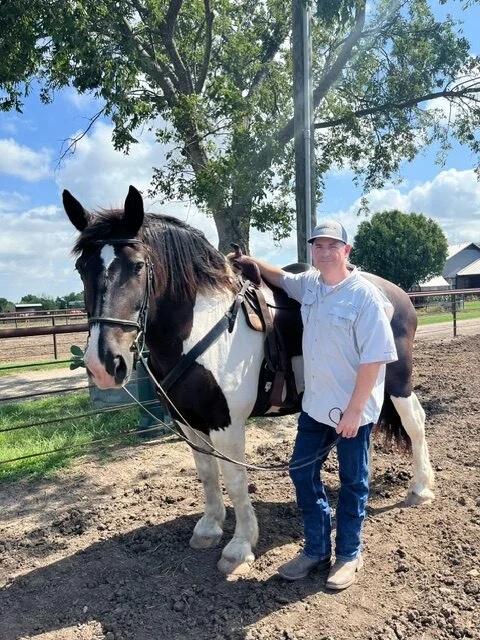
Jonathan Killian standing beside a saddled black-and-white paint horse in a corral
Rider in a cowboy hat on a white horse at sunset in a mountain field