Horse trainer insurance

Based in Texas. Licensed in 20 states.

Insurance for horse trainers

Most horse trainers need commercial equine liability for injuries to people and their property, care, custody and control coverage for client horses in their care, and professional liability if they teach. Where you train, whose horses you handle, and whether you haul or show decide what else you need.

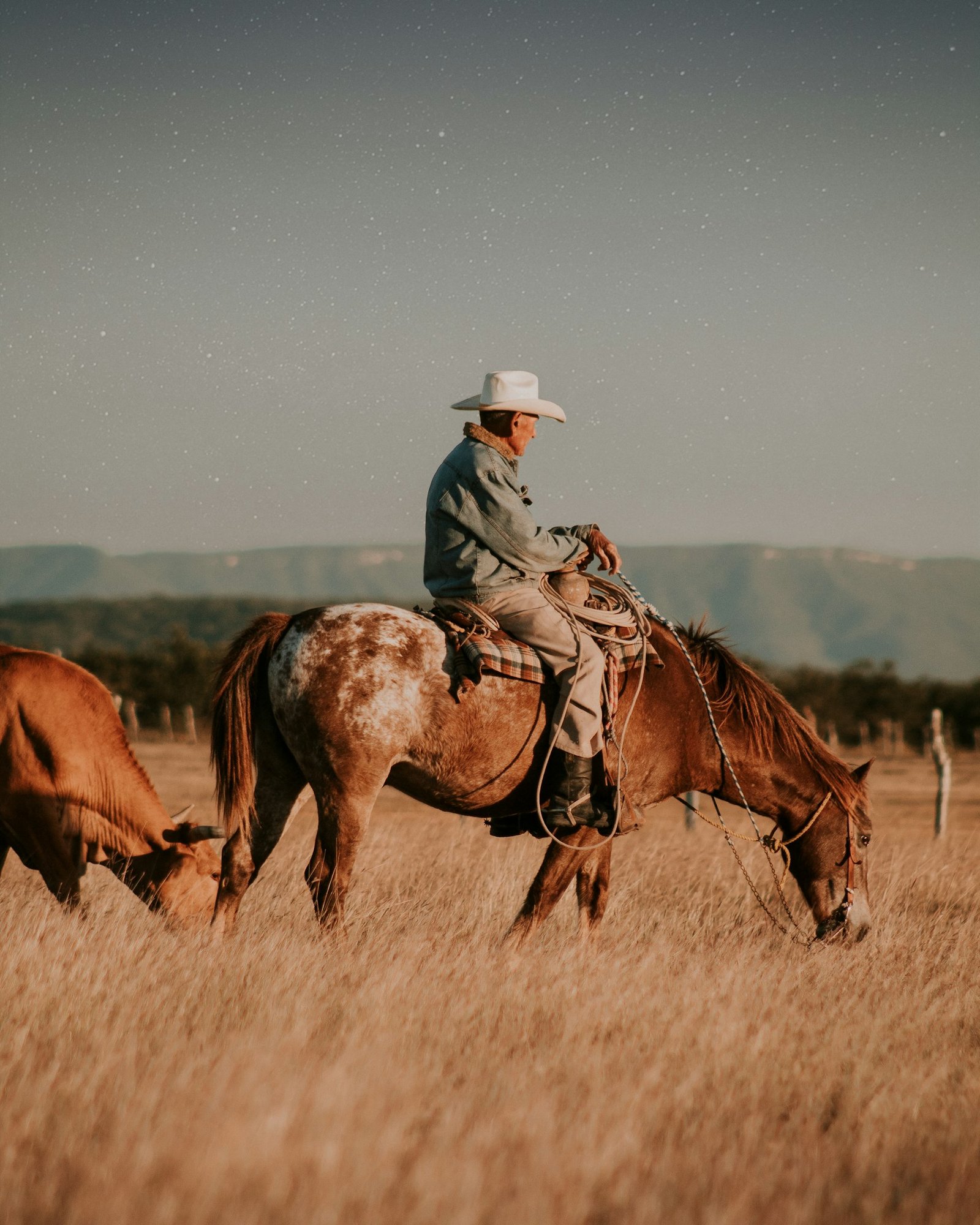
Older rider in a cowboy hat on an appaloosa horse in tall grass at dusk, with a second horse grazing behind

From the founder

Start with what could happen, then read the policy

“We try to think about real world examples. That’s what you’re really insuring against.”

Jonathan reviews a training business by walking through what could happen in it, such as a client horse hurt in a stall, a student falling in a lesson or a trailer accident on the way to a show. Then he checks how the policy answers each one.

Jonathan Killian

Jonathan Killian

Owner/Agent, Killian Insurance Agency

What can go wrong

Six situations every trainer should check their coverage against.

Jonathan starts a review from the situations a business runs into. These are the ones that come up for trainers.

A client's horse gets hurt in your care

A horse colics in its stall or is injured during a training ride. A general liability policy usually excludes property in your care, and a client's horse counts as property. Care, custody and control coverage is written for this. Check your limit per horse against what your clients' horses are worth.

Someone gets kicked or knocked down

A client, a parent or the farrier is hurt at the barn. That is a commercial equine liability claim. Check whether your policy covers you at one address only or wherever you work.

A student falls in a lesson you give

Teaching is its own exposure. Some trainer policies include it, and others need professional liability added. Check that instruction is named on your policy.

You haul a client's horse to a show

A trailer accident can involve your truck, the trailer, the horse and other drivers. Check whether your auto policy treats hauling for pay as business use, and whether your care, custody and control coverage follows the horse on the road.

You train at someone else's barn

The barn owner's policy is written to protect the barn owner. Many barns ask outside trainers for their own certificate of insurance and to be named on it. Check what your stall lease or training agreement requires.

A groom or assistant gets hurt

Workers' compensation rules depend on the state. In Texas it is optional for most employers, but going without it has consequences. Check who works for you and whether they're employees or contractors.

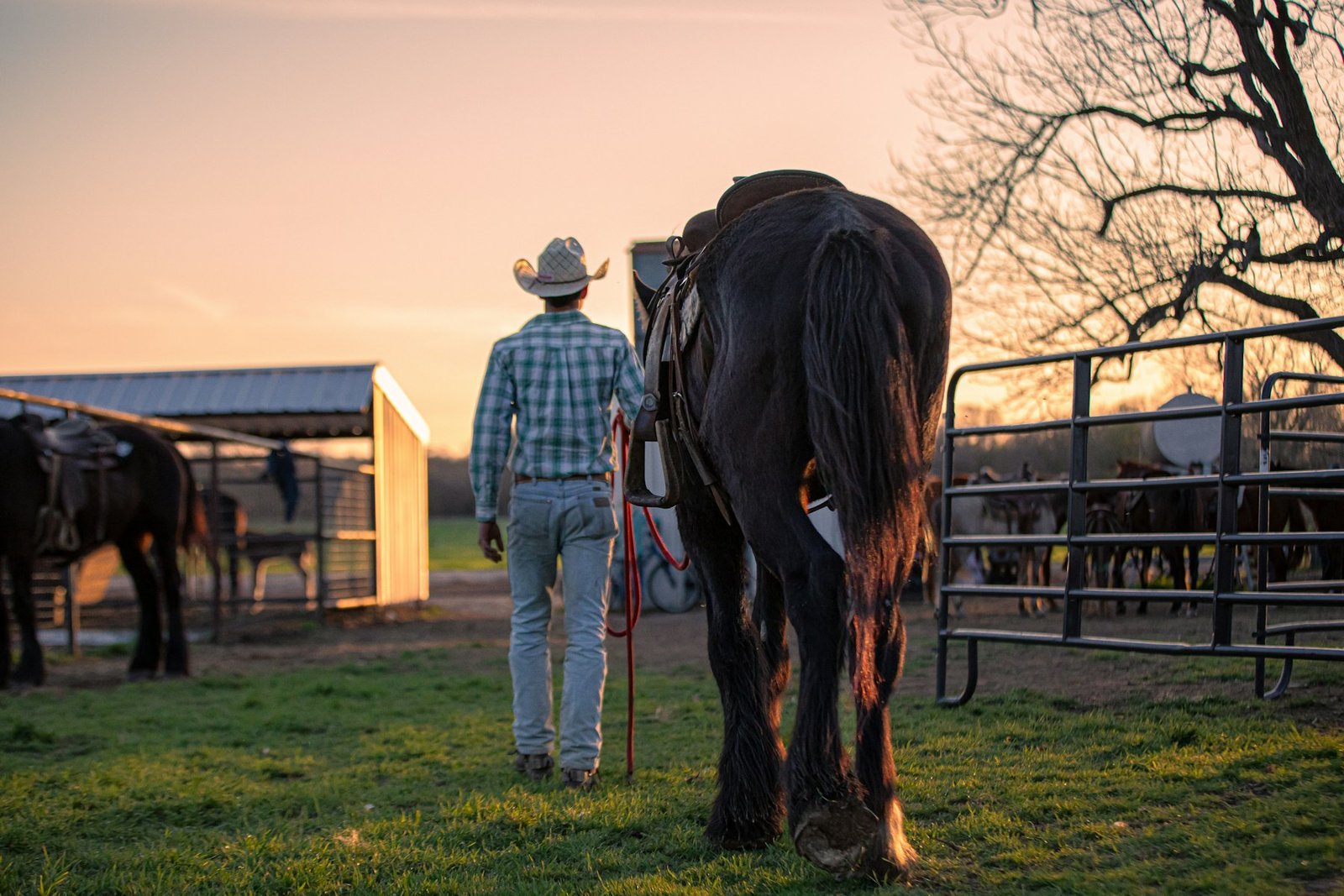
Man in a cowboy hat and plaid shirt standing with a dark horse on a ranch at dusk

Your setup

Your setup decides what you need

Killian can review and place the coverages named below.

You own the facility and train there

You carry the facility side too, meaning the buildings, the arena, visitors and any boarded horses.

You lease stalls or train at a client's barn

You need your own liability and care, custody and control coverage, plus whatever additional insured wording the barn's lease or agreement requires.

You travel to clients or ride at shows

You need coverage that isn't tied to one address, and answers to the hauling questions above.

Illustrative example

A reining trainer leases 12 stalls at a boarding barn. She starts a few young horses each year, gives lessons two evenings a week and hauls to about eight shows a year. Her setup raises five questions.

  1. Is her care, custody and control limit per horse enough for the most valuable horse in her barn?
  2. Does her policy name instruction, or only training?
  3. Does her liability coverage go with her to shows?
  4. Does her truck policy allow hauling client horses for pay?
  5. What does the barn's lease require her to carry, and who has to be named on it?

Illustrative example. Not a real client's policy.

If you also teach lessons or board horses, see riding instructor insurance or horse boarding insurance.

For other kinds of horse business, see equine business insurance.
Cost

What affects the cost of horse trainer insurance

We don't publish prices. A trainer starting two colts a year and a show barn with 30 client horses are priced differently. The price depends on these facts.

  • How many client horses you have at a time, and the value of the most expensive one
  • What you do, such as starting young horses, a particular discipline, lessons or sales
  • Whether you show, and how often you haul
  • Whether you have employees
  • The liability limit and deductible you choose
  • How long you've been in business, and your claims history
  • Where you operate

Bring these to a review and the quote you get back will match how you work.

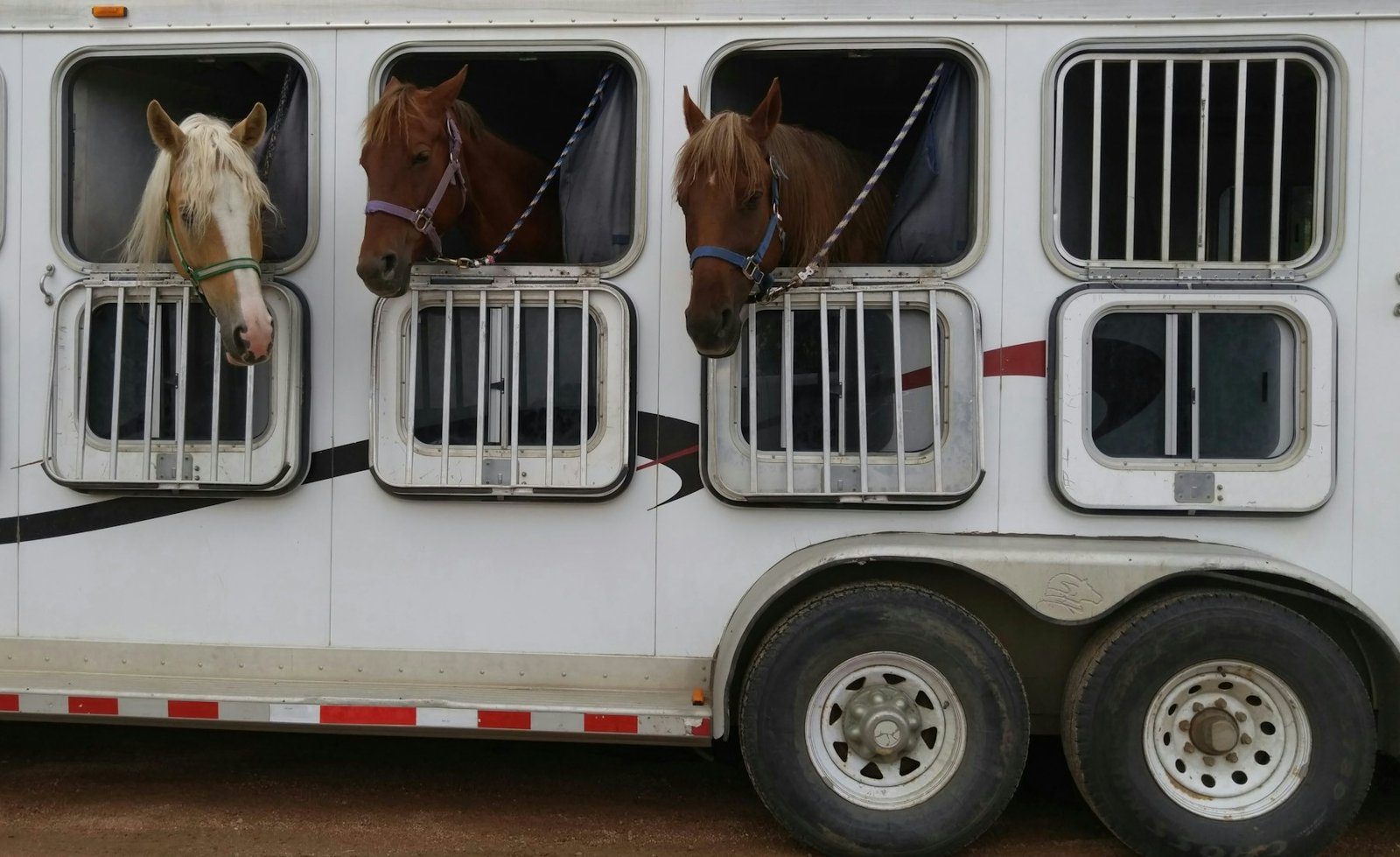
Three horses looking out the windows of a white gooseneck horse trailer

If you train in Texas

The Texas warning sign and your insurance

Texas's Farm Animal Liability Act (Chapter 87 of the Civil Practice and Remedies Code) limits liability for injuries caused by the inherent risks of working with horses and other farm animals. Since a 2021 change to the law, farm animal professionals and farm owners and lessees must post a warning sign with the statute's wording. Farm animal professionals include people paid to instruct riders or to handle and care for horses. The same warning has to appear, clearly readable, in every written contract for training, instruction or other services, including contracts with employees and contractors.

The sign helps, but it doesn't replace insurance. The Act has exceptions, for example when the professional supplied faulty tack, or supplied the horse without a reasonable effort to judge whether the rider could handle it safely. You still have to defend a lawsuit to rely on it, and it does nothing for an injured client horse. Forty-eight states have some version of this law, and the wording and exceptions differ from state to state.

How a review works

Four steps, starting with how you work

  1. Tell us how your business runs

    Where you train, whose horses you handle, what you do and where you go.

  2. Send what you have

    Current policies, plus any barn lease or training agreement.

  3. We compare your work against your coverage

    We show you where they match and where they don't.

  4. You decide

    “At the end of the day, the client is the one that needs to determine what makes the best sense for them.” Jonathan Killian

Questions trainers ask

Most states don't require trainers to carry liability insurance by law. Barns, show managers and clients often do, and many ask for a certificate of insurance before you work on their property or with their horses.

Usually not. Homeowners policies generally exclude business activity, and training horses for pay is a business. Some farm policies can be extended to cover it, and the wording decides.

It covers your liability when a horse you don't own is injured, gets sick or dies while in your care. Standard liability policies usually exclude property in your care, and client horses count as property.

No. A signed release, and in states like Texas a posted warning sign, can limit some claims. Both have exceptions, and you still have to defend a lawsuit to use them. When a claim is covered, insurance pays for that defense.

It depends on the facts in the cost section above, including the number and value of client horses, your activities, your hauling, your limits and your history. A quote is built from those facts.

Yes, though a new training business can see fewer options. It helps to show your experience, the horses you plan to take and how you'll run the business.

That depends on whether your policy is tied to a listed address. Check before you haul.

Want someone to look at your setup?

Killian Insurance Agency is based in Texas and works with horse businesses in the 20 states where Killian is licensed, listed at the bottom of this page.

Tell us how your training business runs and we'll show you where your coverage fits it and where it doesn't. There's no cost to review your coverage.

Request a coverage review
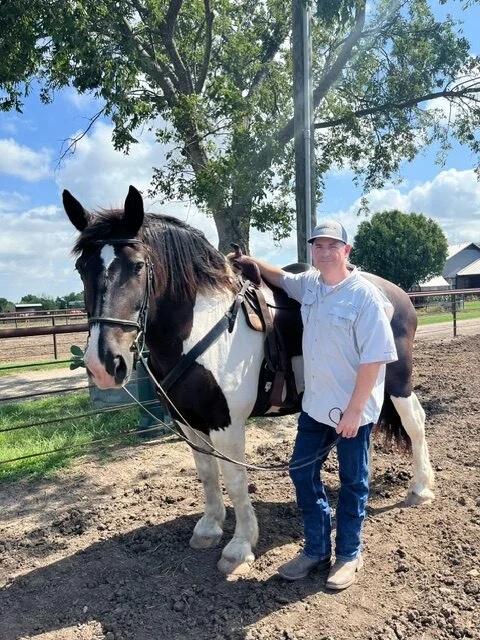
Jonathan Killian standing beside a saddled black-and-white paint horse in a corral
Rider in a cowboy hat on a white horse at sunset in a mountain field