Bird flu (H5N1) and dairy insurance

Based in Texas. Licensed in 20 states.

Does insurance cover bird flu?

Usually not. Many farm policies don't list disease as a covered cause of loss, so milk and cows lost to H5N1 often aren't covered unless the policy adds disease coverage. For herds with a confirmed positive test, USDA's ELAP program pays for lost milk production, and APHIS helps with testing, vet and biosecurity costs.

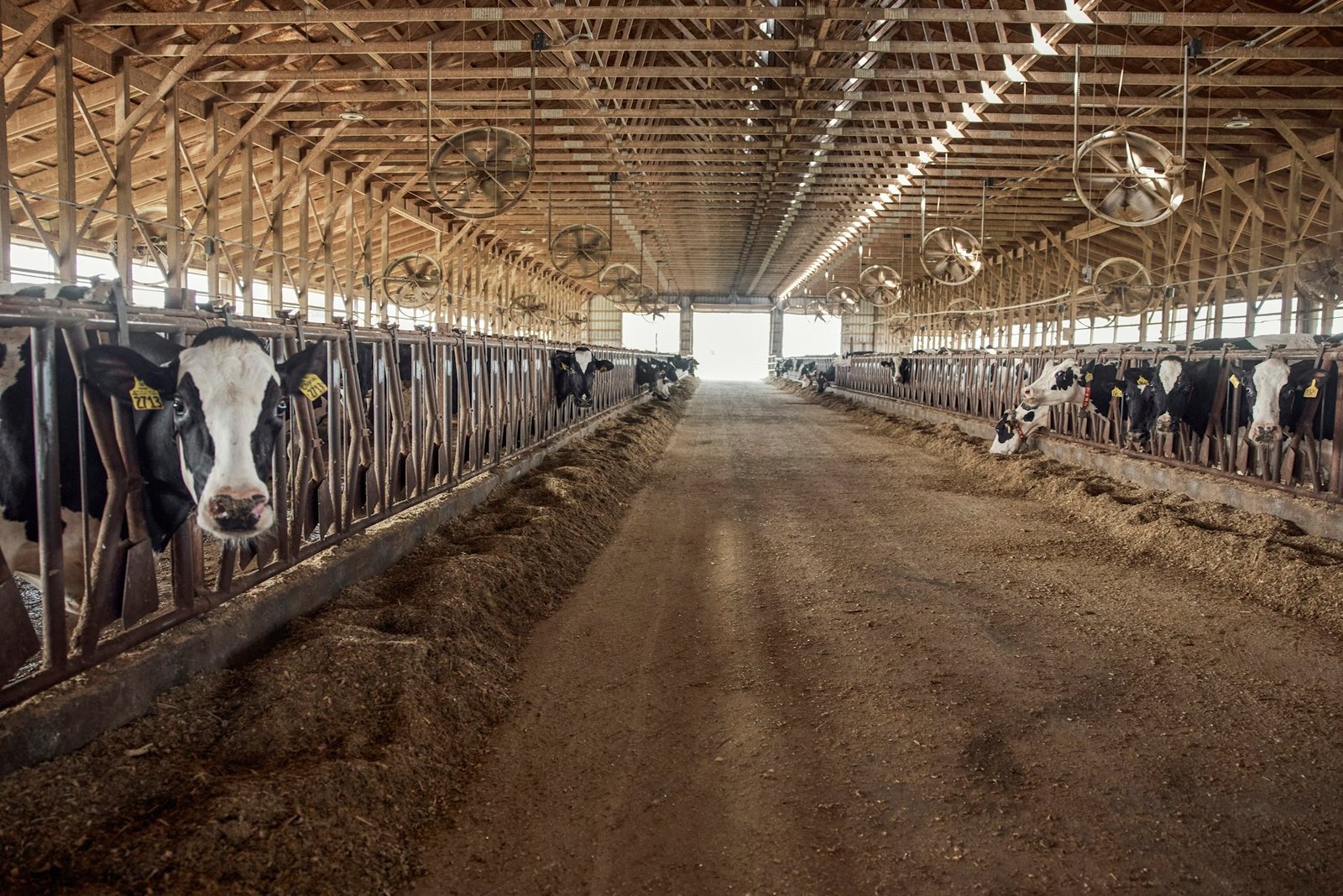
Holstein cows at the feed rail down a long freestall dairy barn with fans overhead

From the founder

Know the answer before it reaches your herd

Jonathan Killian says this about losses that come without warning. “They don't call ahead and book time on your calendar.”

A positive H5N1 test sets off quarantine, testing, discarded milk and lost production within days. The time to find out what your policy covers, and what USDA would pay, is before that happens. A review walks through each piece with your current documents.

Jonathan Killian

Jonathan Killian

Owner/Agent, Killian Insurance Agency

What happens

Six things that happen when H5N1 reaches a herd.

Each one shows what a farm policy usually does and where USDA can help.

Sick cows stop milking

Production can fall sharply for weeks. A farm policy rarely pays for lost production from disease. USDA's ELAP pays per cow, based on 21 days without milk and 7 days at half production.

Milk from sick cows can't be sold

It has to be kept out of the milk supply and disposed of safely. APHIS pays up to $2,000 a month, and $8,000 in total, for heat-treating waste milk before disposal.

The herd goes under quarantine

States quarantine positive herds and restrict what moves on and off. In Minnesota, for example, release takes at least 30 days and three negative bulk tank tests. Check whether your policy says anything about a government order.

Cows die or have to be culled

Livestock coverage rarely pays for death from disease. ELAP's H5N1 payment is based on lost milk, not the value of the cow. Check which causes of death your policy lists.

Business income doesn't respond

Business income coverage usually needs a covered physical loss, and some policies also need a full shutdown. An outbreak where you keep milking may not meet either test. Ask how yours reads.

Testing, vet and cleanup costs pile up

APHIS reimburses enrolled herds for some of these, including up to $10,000 in vet costs for an affected premises. Keep every receipt, because reimbursement depends on them.

For the rest of your coverage, see dairy farm insurance and equipment breakdown and milk loss.

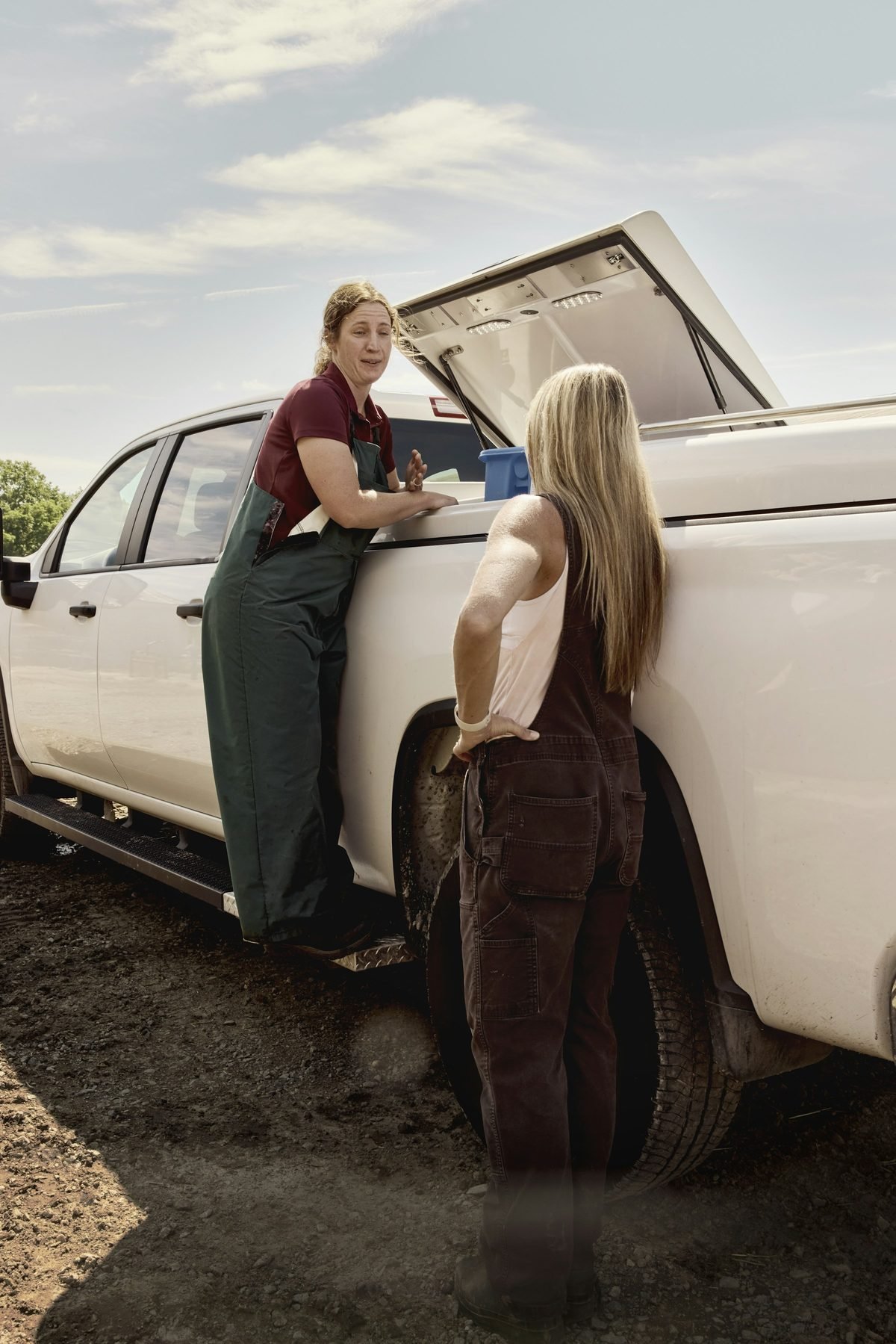
Dairy farmer and veterinarian in coveralls talking beside a pickup truck

What USDA pays

USDA help for herds with a positive test

Milk loss payments through ELAP

USDA's Farm Service Agency pays dairy producers for milk lost to H5N1 through the Emergency Assistance for Livestock, Honeybees, and Farm-Raised Fish Program (ELAP). The herd needs a positive H5N1 test confirmed by USDA's national lab.

  • Eligible cows are lactating cows first pulled from commercial milking between 14 days before and 120 days after the positive sample was collected.
  • Each cow's loss is set at 21 days with no milk and 7 days at half production.
  • The payment rate is set each month from the national All Milk price. The payment is that rate times your eligible cows and your share of the milk, times 90%.
  • File the notice of loss and the application at your local FSA office by March 1 after the year of the loss.
  • Have milk production records and herd inventory ready. FSA can ask for both.
  • An income limit applies, $900,000 in average adjusted gross income, unless at least 75% of your income comes from farming.

As of USDA's latest update, 989 producer applications had been processed through ELAP and about $390.6 million paid.

Cost support through APHIS

USDA's Animal and Plant Health Inspection Service (APHIS) also reimburses enrolled herds for some response costs. For an affected herd, the options include these.

  • Up to $10,000 per premises for veterinary costs
  • Up to $2,000 a month for workers' protective equipment, for herds taking part in a CDC study
  • Up to $8,000 in total for heat-treating waste milk
  • Help with biosecurity planning and test shipping, which any dairy can use

To enroll, contact your state animal health official or your APHIS Area Veterinarian in Charge.

Checked against USDA's ELAP fact sheet (July 2026) and APHIS pages on November 15, 2026. Program rules and rates change, so confirm them with your local FSA office.

Your policy

Questions to ask about your policy

Bring your policy and these questions to your agent. The answers are in the wording, so ask to see where each one comes from.

  1. Does the policy exclude disease? Does it name avian influenza or H5N1?
  2. Which causes of death does the livestock coverage list? Is disease one of them?
  3. Does the milk spoilage or contamination coverage list a cause that would apply to milk you can't ship because of H5N1?
  4. Does business income need physical damage, a full shutdown, or both?
  5. Does anything in the policy respond to a quarantine or other government order?
  6. Is disease coverage available as an endorsement, and what are its limits?
  7. What records would the insurer want after a loss?

Records to keep now

USDA and an insurer will both ask for records. Keep current milk production records, herd inventory, test results, vet bills and receipts for biosecurity spending.

How a review works

Four steps, starting with how you work

  1. Tell us how your dairy runs

    Herd size, locations, who comes on and off the farm and where your milk goes.

  2. Send what you have

    Current policies and any endorsements for milk, livestock or business income.

  3. We check how your policy treats disease

    We show you what it would and wouldn't pay for.

  4. You decide

    In Jonathan Killian's words, “At the end of the day, the client is the one that needs to determine what makes the best sense for them.”

Questions about bird flu and dairy insurance

Usually not. Many farm policies don't list disease as a covered cause of loss, and livestock coverage rarely pays for death from disease. Some policies and endorsements do cover animal disease, often with lower limits, so check yours.

Rarely by a farm policy. Milk spoilage and contamination coverage usually lists specific causes, such as a cooling failure, and disease is often not one of them. USDA's ELAP program pays for lost milk production in herds with a confirmed positive test.

Through ELAP, the Farm Service Agency pays for lost milk production per eligible cow, based on 21 days without milk and 7 days at half production. APHIS reimburses enrolled herds for some vet, testing, protective equipment and milk disposal costs.

Contact your local FSA office. You need the confirmed positive test, and FSA may ask for milk production and herd records. The notice of loss and the application are due by March 1 after the year of the loss.

Some insurers offer animal disease coverage, as its own policy or as an endorsement, often with sub-limits. What's available depends on the insurer and your state. A review shows what your current policy does and what else is worth asking about.

Usually not on its own. Business income generally pays after a covered physical loss, and some policies pay only if operations fully stop. In one stray voltage case, a federal court denied a dairy's lost income because it kept milking.

Want someone to look at your dairy?

Killian Insurance Agency is based in Texas and works with dairies in the 20 states where Killian is licensed, listed at the bottom of this page.

Tell us how your dairy runs and we'll show you how your policy treats disease and what else is worth asking about. There's no cost to review your coverage.

Request a coverage review
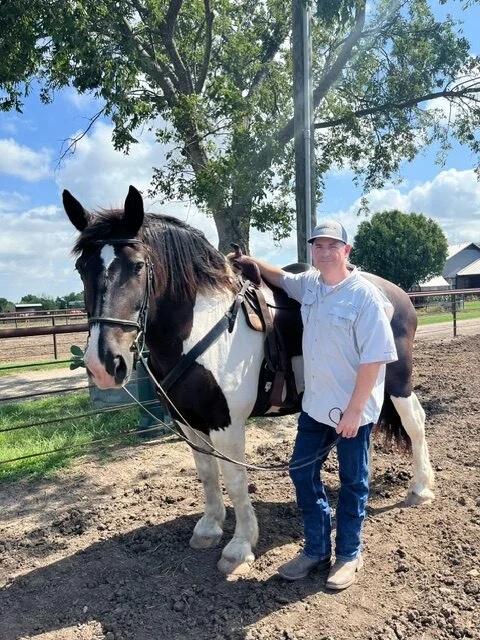
Jonathan Killian standing beside a saddled black-and-white paint horse in a corral
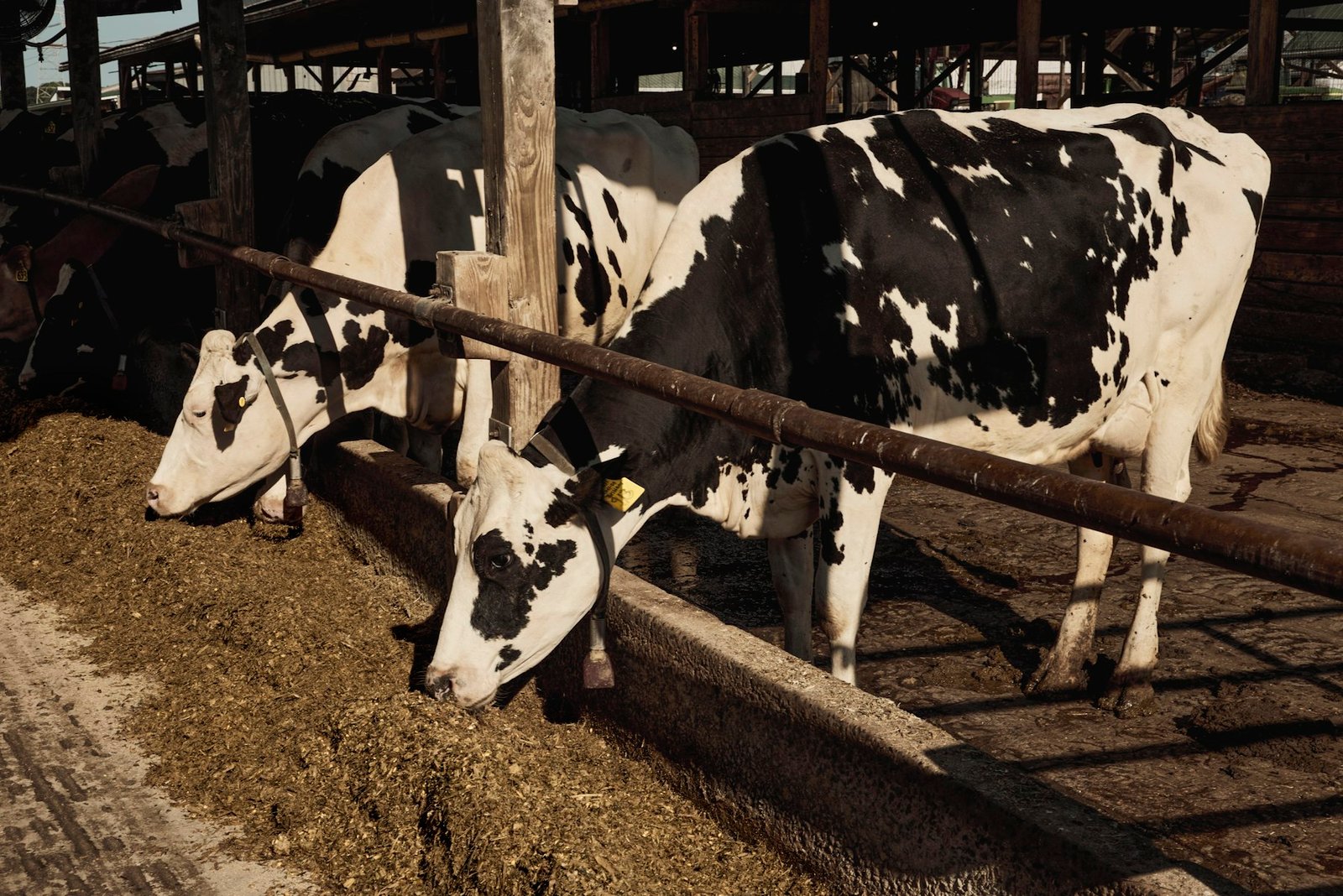
Holstein cows eating at a feed bunk in the sun