Dairy farm insurance

Based in Texas. Licensed in 20 states.

Insurance for dairy farms

Most dairies start with four kinds of coverage. Farm property covers barns, parlors, bulk tanks and feed. Equipment breakdown covers milking and cooling systems that fail. Liability covers injuries and damage to other people. Livestock coverage pays for cows lost to listed causes such as fire or lightning. Milk spoilage, business income and workers' comp depend on how your dairy runs.

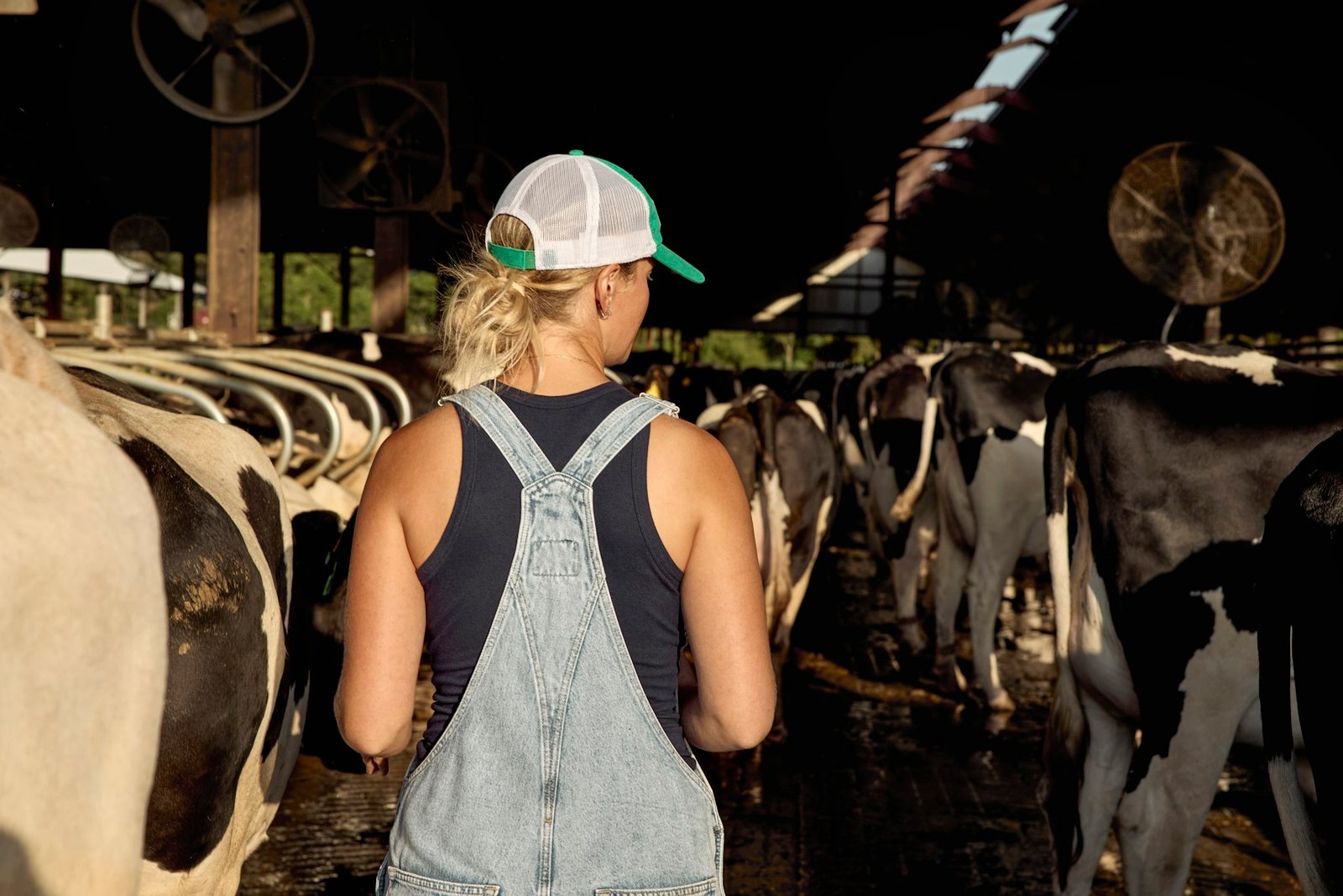
Dairy farmer in overalls and a ball cap walking among cows in a freestall barn

From the founder

Start with how your dairy runs

“I like complicated cases. I like complicated operation.”

Jonathan Killian works with producers because their work feeds people and doesn't stop at a set hour. A dairy has more moving parts than most farms. Cows are milked every day, milk has to be cooled and picked up on schedule, and the parlor, the power, the feed and the people all have to keep working.

He starts by learning how your dairy runs. Then he checks how your policy answers each part of it.

Jonathan Killian

Jonathan Killian

Owner/Agent, Killian Insurance Agency

What can go wrong

Six situations every dairy should check its coverage against.

Jonathan starts a review from the situations a dairy runs into. These are the ones that come up most.

The cooling system fails with a full tank

Equipment breakdown coverage can pay to repair the compressor or tank. The milk you have to dump is a separate question, usually answered by a milk spoilage or contamination endorsement. Check that you have both and what each one requires.

The power goes out

A storm takes down the utility line and the parlor stops. Policies often treat an outage that starts off the farm differently from a failure on it. Check how yours handles each, and whether your generator is listed.

Bird flu (H5N1) reaches the herd

Many farm policies don't list disease as a covered cause of loss for cows or milk. For herds with a confirmed positive test, USDA's ELAP program pays for lost milk. Check what your policy says about disease.

Fire or a storm hits a barn, parlor or feed

Freestalls, parlors, commodity sheds, silos and stored feed are farm property. Check that each is listed at what it would cost to rebuild or replace today, including robots and newer equipment.

Your milk ruins a tanker load

If your milk is commingled with other farms' milk and contaminates the load, the other producers and the buyer can claim against you. That is a liability question, and some insurers handle it with a separate milk endorsement.

An employee is hurt

Dairy work means early hours, animals and machinery. Workers' compensation rules depend on the state, and in Texas it is optional for most employers. Check who works for you and how each person is covered.

For more detail, see equipment breakdown and milk loss and bird flu and dairy insurance.

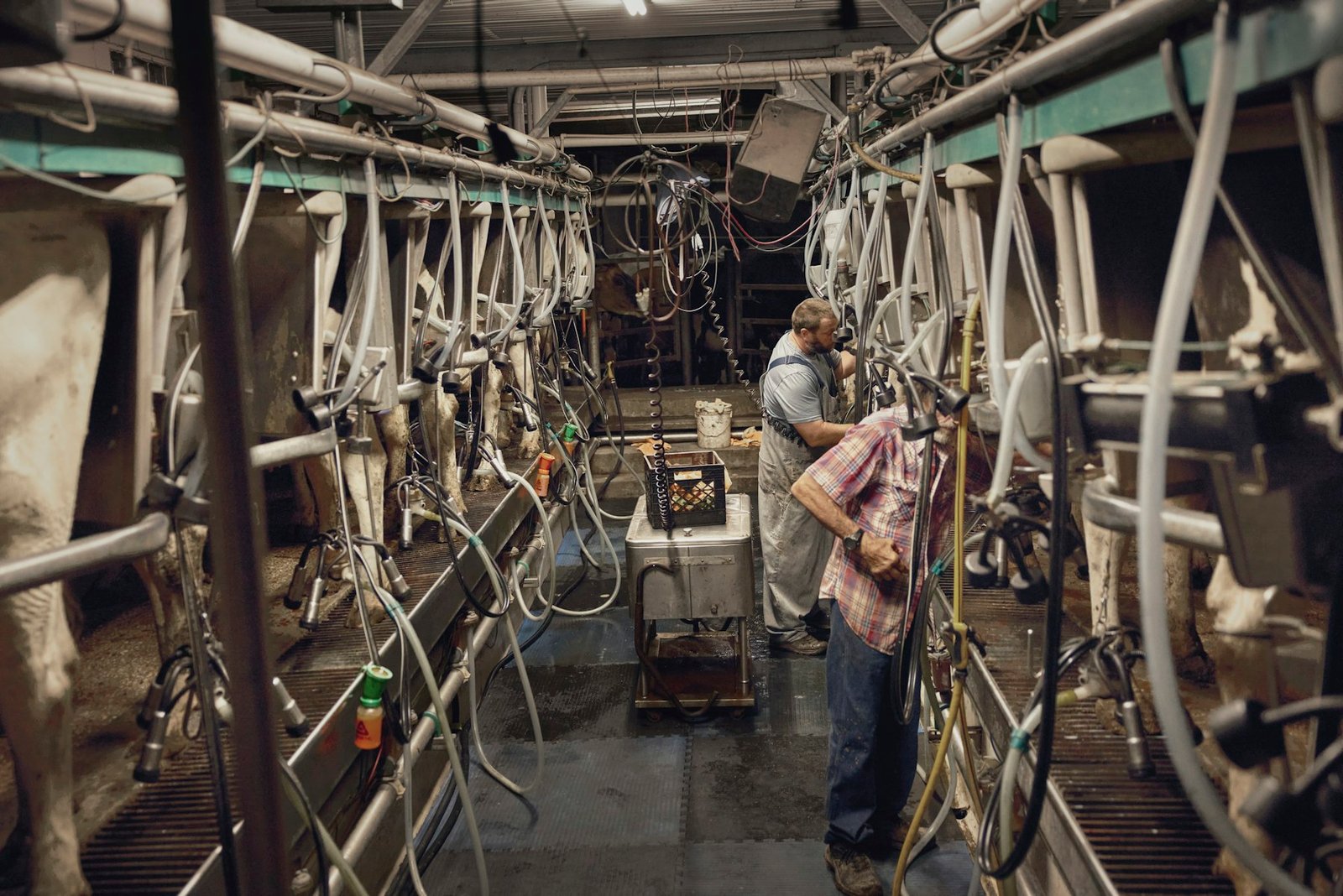
Two workers attaching milking units in a dairy milking parlor

Coverages we place

What each coverage is for

Killian can review and place each of these.

Farm property

Barns, freestalls, parlors, commodity sheds, silos, bulk tanks, machinery, and stored feed and forage. Amounts should reflect what it would cost to rebuild or replace them today.

Equipment breakdown

Sudden mechanical or electrical failure of milking systems, robots, cooling, compressors, generators and pumps. Property policies often exclude breakdown, so it is usually added separately.

Milk spoilage and contamination

Your own milk lost to contamination, leakage or a cooling failure, and liability when your milk ruins a commingled load. Insurers name and word these endorsements differently, and each usually has its own limit.

Livestock

Cows, heifers and calves that die or are destroyed by a covered cause. Many policies list causes such as fire, lightning, windstorm and electrocution. Disease is often not covered.

Business income and extra expense

Lost income and extra costs after a covered loss, such as moving cows to another parlor or bringing in temporary equipment. Some policies pay only if the dairy fully shuts down, which matters when production drops and milking continues.

Farm liability

Injuries to visitors, haulers and contractors, and damage your cows or your work cause to others, such as cows on a road. Ask how the policy treats manure and pollution claims.

Workers' compensation

Injuries to employees. Rules depend on the state. In Texas it is optional for most employers, but going without it has consequences.

Commercial auto

Trucks, feed trucks and trailers used in the dairy, including any milk you haul yourself.

Cargo

Cattle, feed or milk on your trucks. Check what the policy counts as cargo, which trucks are listed and the limit for each load.

Hay and silage

Stored hay, silage and other feed, whether it's in barns, stacks, bags or bunkers. Check how the feed is valued, where it's stored and which causes of loss the policy lists, such as fire.

Which of these you need, and on what terms, depends on the policy and how your dairy runs.

Price and margin programs are separate

Dairy Margin Coverage pays when the margin between the milk price and feed costs falls below a level you choose, and you enroll at your local USDA Farm Service Agency office. Dairy Revenue Protection covers drops in quarterly milk revenue and is sold through crop insurance agents. Neither one pays for a fire, a breakdown or an injury. A farm policy is for those. Killian doesn't handle these programs and refers them out.

Before a renewal, work through the dairy renewal checklist.
Illustrative example

One breakdown, five questions

Jonathan tests a policy against situations like this one. In his words, “We try to think about real world examples. That's what you're really insuring against.”

A 900-cow dairy milks three times a day and ships milk every day. On a July afternoon a compressor on the cooling system fails with the tank half full. The milk warms before a technician arrives, and the buyer won't take it. That one failure raises five questions.

  1. Does equipment breakdown cover the compressor, and is the cooling system listed?
  2. Does a milk spoilage or contamination endorsement cover the dumped milk, and what is its limit?
  3. If some warm milk had already gone out in a commingled load, who pays the other producers?
  4. Would business income pay for lost milk sales during the repair, even though the dairy kept milking?
  5. Is the replacement value on the parlor and cooling system up to date?

Illustrative example. Not a real client's policy.

Cost

What affects the cost of dairy farm insurance

We don't publish prices. A 150-cow tie-stall dairy and a 3,000-cow operation with robots on several sites are priced differently. The price depends on these facts.

  • How many cows you milk, plus heifers and calves
  • Your buildings, parlor or robots, bulk tanks and equipment, and what they would cost to replace
  • The feed and forage you store
  • How many locations you run and where they are
  • How many people work for you, and your payroll
  • The limits you choose for milk spoilage, equipment breakdown and business income
  • Your deductibles and your claims history

Bring these to a review and the quote you get back will match how you work.

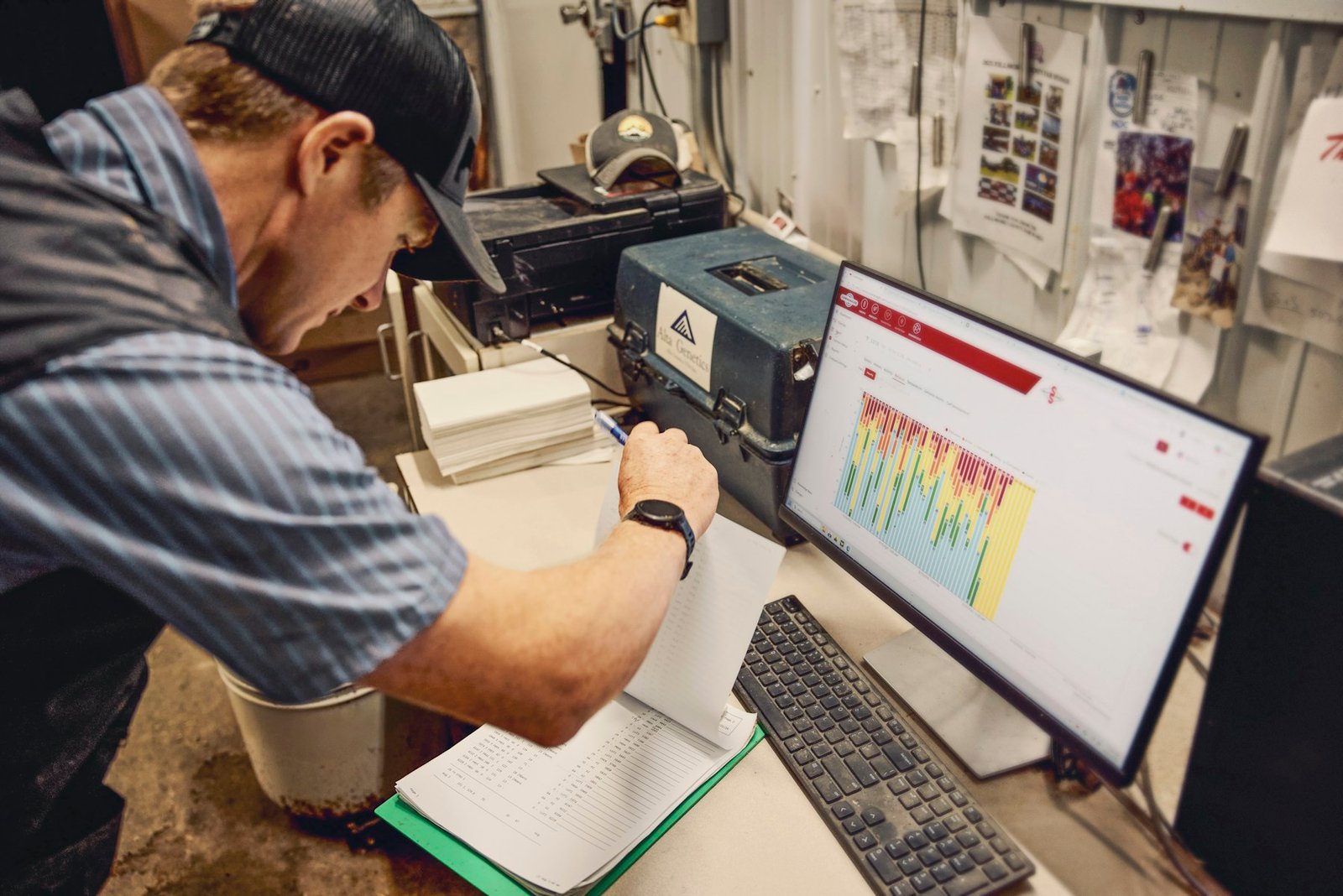
Dairy farmer doing paperwork in the farm office beside a computer showing milk data

How a review works

Four steps, starting with how you work

  1. Tell us how your dairy runs

    Herd size, parlor or robots, locations, who works there and where your milk goes.

  2. Send what you have

    Current policies, an equipment list and any changes since your last renewal.

  3. We compare your dairy against your coverage

    We show you where they match and where they don't.

  4. You decide

    In Jonathan Killian's words, “At the end of the day, the client is the one that needs to determine what makes the best sense for them.”

Questions dairy producers ask

Most dairies carry farm property, equipment breakdown, farm liability and livestock coverage. Milk spoilage and contamination, business income, workers' compensation and commercial auto depend on how the dairy runs. The amounts should match today's herd, buildings and equipment.

Only when the policy includes milk coverage and the cause is one it covers. Milk lost to a cooling failure or a power outage is often handled by a milk spoilage or contamination endorsement with its own limit. Check which causes it lists.

Usually not. Many farm policies don't list disease as a covered cause of loss for cows or milk. For herds with a confirmed positive test, USDA's ELAP program pays for lost milk production. Our bird flu page lists what to check.

Often it isn't. Many property policies exclude mechanical and electrical breakdown, and it is added as separate coverage. Check that your milking, cooling and power equipment is included.

Yes. Farm policies can cover cows, heifers and calves against listed causes such as fire, lightning and electrocution, and some offer broader forms. Disease is often excluded, so check how your policy treats it. Killian can review and place herd coverage.

It depends on the facts in the cost section above, including herd size, buildings and equipment, locations, employees and the limits you choose. A quote is built from those facts.

They are federal programs that protect milk revenue or margins. Dairy Revenue Protection is sold through crop insurance agents, and Dairy Margin Coverage is run by USDA's Farm Service Agency. Neither pays for a fire, a breakdown or an injury. Killian doesn't handle them and refers them out.

No. There's no cost to review your coverage.

Want someone to look at your dairy?

Killian Insurance Agency is based in Texas and works with dairies in the 20 states where Killian is licensed, listed at the bottom of this page.

Tell us how your dairy runs and we'll show you where your coverage fits and where it doesn't. There's no cost to review your coverage.

Request a coverage review
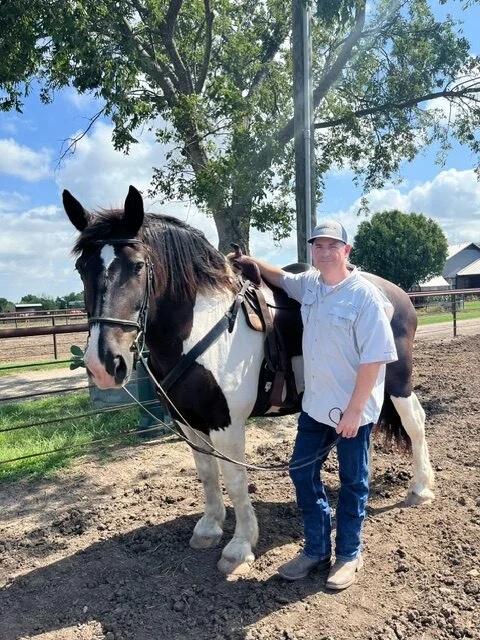
Jonathan Killian standing beside a saddled black-and-white paint horse in a corral
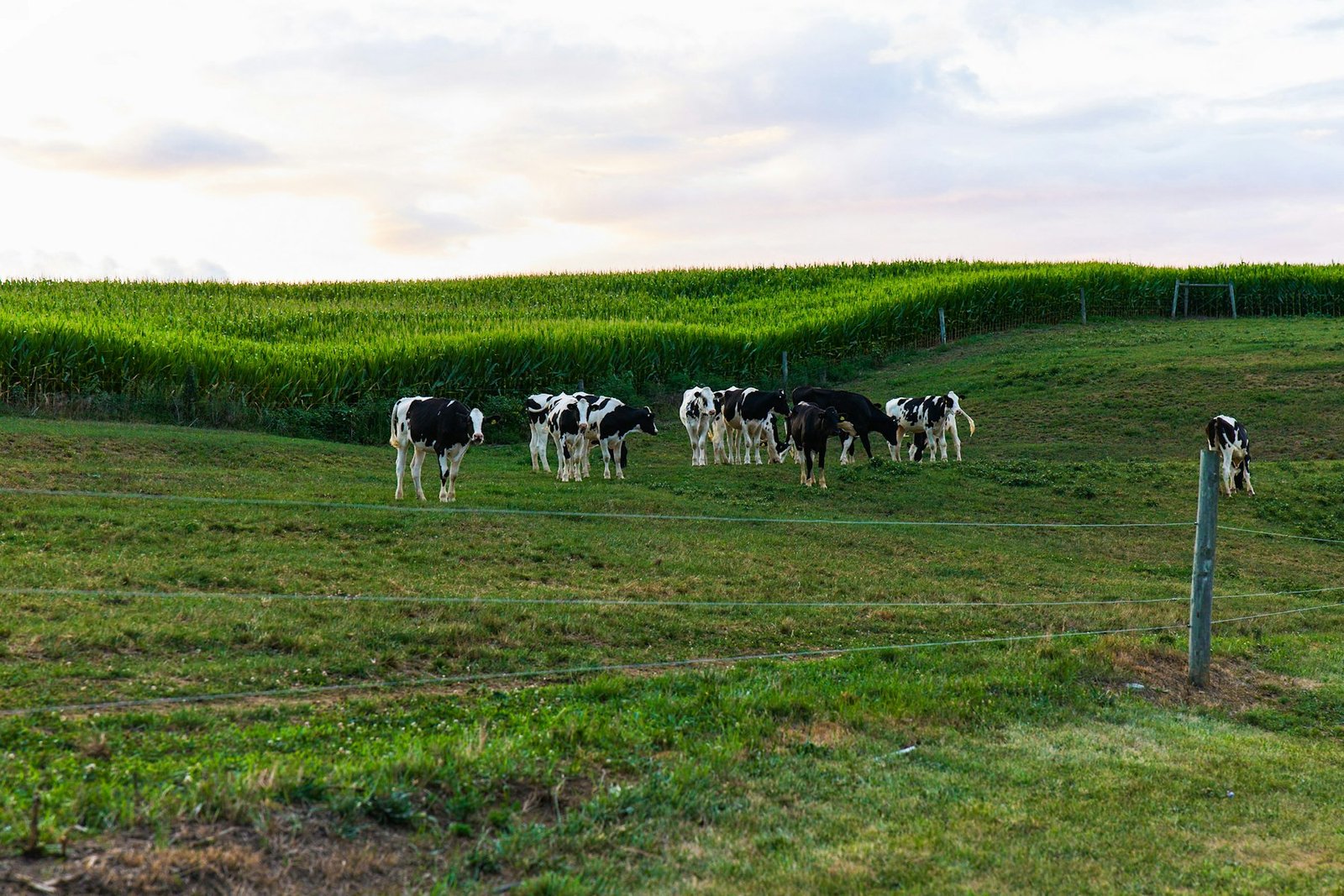
Young Holstein heifers grazing a pasture with a cornfield behind