Dairy equipment breakdown and milk loss

Based in Texas. Licensed in 20 states.

Does insurance cover breakdown and milk loss?

It can, but usually through separate parts of the policy. Equipment breakdown pays to repair the failed system. Milk spoilage or contamination coverage pays for your milk. Liability responds when your milk ruins other farms' milk. Business income covers lost income, and some policies pay only if the dairy fully shuts down.

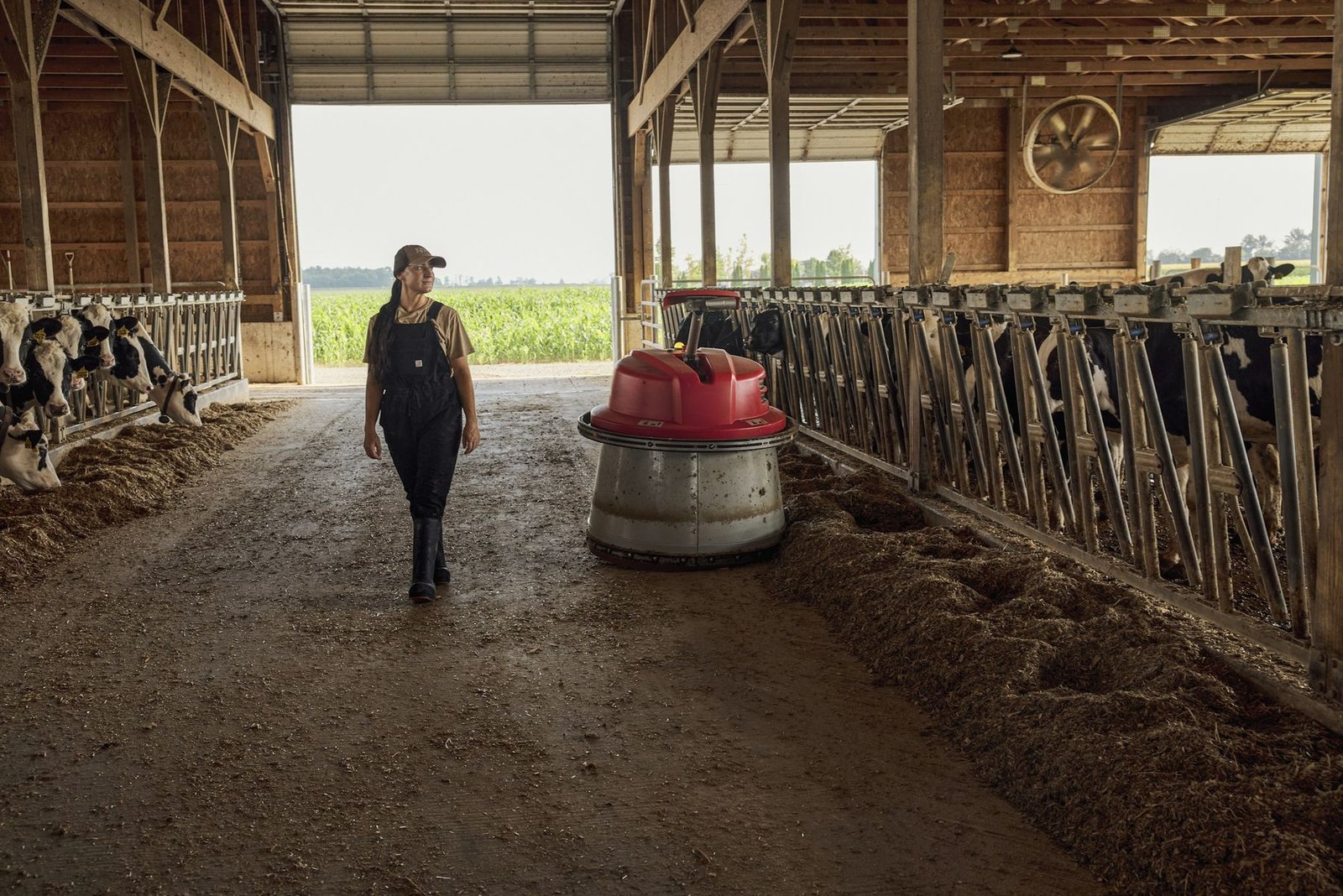
Stainless steel milk tanker truck parked beside a large green dairy barn with open bay doors and a Holstein cow inside

From the founder

Check each part of the loss before it happens

Jonathan Killian's view is that you find out how good your insurance, and your agent, really are once you have a big enough loss.

A milk loss is a good example. One failure can involve the equipment, the milk in the tank, milk already on the truck and the income you lose while repairs are made. Each one is answered by a different part of the policy, with its own limits and conditions. A review checks each part against your dairy before you need it.

Jonathan Killian

Jonathan Killian

Owner/Agent, Killian Insurance Agency

What can go wrong

Six situations every dairy should check its coverage against.

These are the breakdown and milk loss situations that come up most on dairies.

A compressor fails with a full tank

Equipment breakdown can pay for the repair. The milk is a separate claim under milk spoilage or contamination coverage, if you have it. Check both, and check what records each one asks for.

The utility power goes out

Some policies treat a power failure that starts off the farm differently from one that starts on it. Ask whether an off-farm outage is covered for both the milk and lost income.

The generator doesn't start

A backup generator that fails during an outage can turn a short outage into lost milk. Check that the generator is listed under equipment breakdown and what the policy says about maintenance.

A robot or parlor is down for days

Repair parts can take time to arrive. Business income and extra expense may pay for lost milk sales and the cost of milking elsewhere, depending on how the policy defines an interruption.

Your milk contaminates a tanker load

When your milk is commingled with other farms' milk, a problem in yours can ruin the load. Other producers' claims are a liability question, and some insurers cover them with a milk spoilage endorsement.

Stray voltage cuts production for weeks

Stray voltage builds slowly. Policies written for sudden events can fit it poorly, and lost production may not count as an interruption if you keep milking.

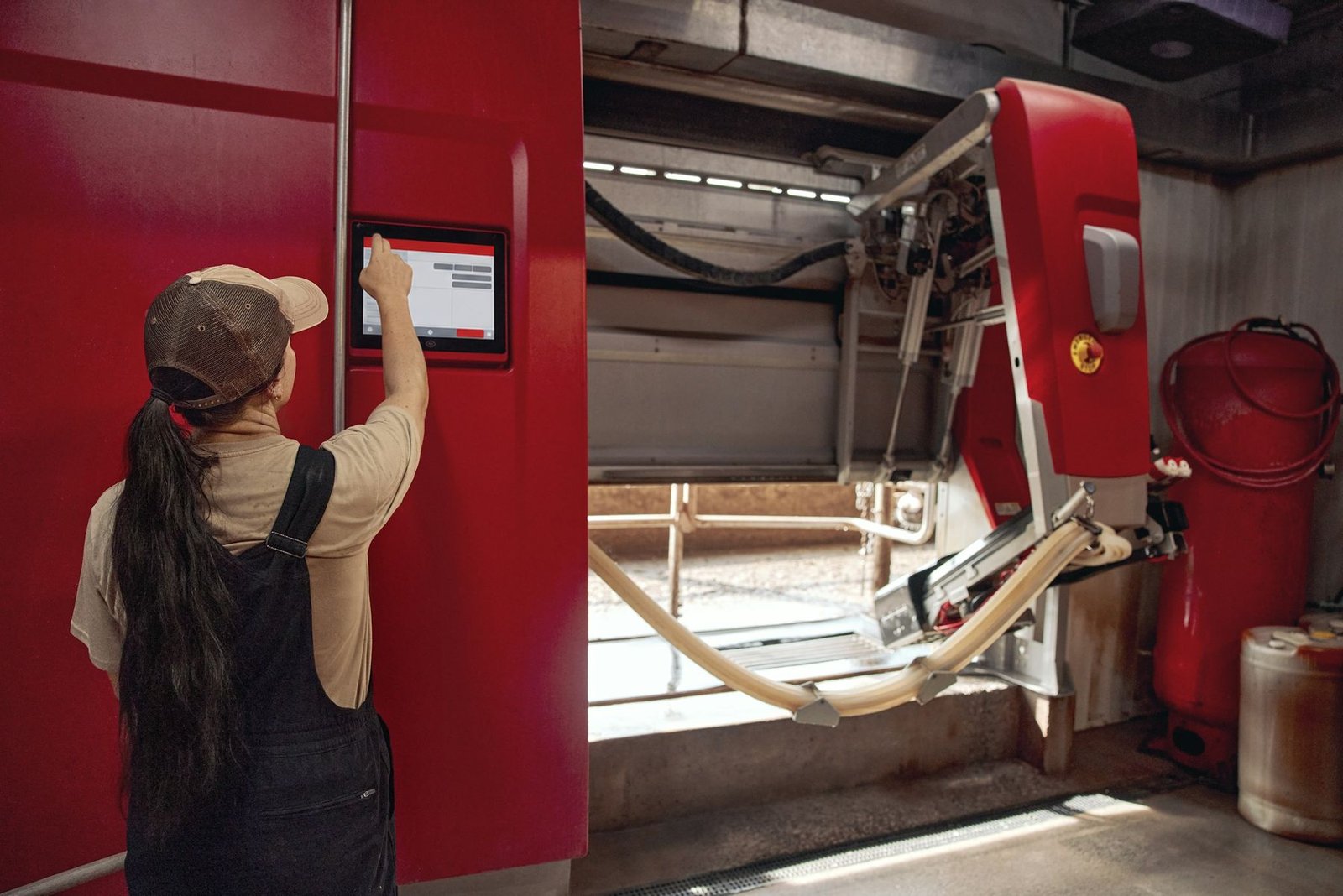
Woman in a cap and overalls taps the touchscreen on a red robotic milking machine in a dairy barn

How a claim breaks down

Four parts of one loss

1. The equipment

Equipment breakdown covers sudden mechanical or electrical failure of milking, cooling and power equipment. It usually doesn't cover wear, rust or a lack of maintenance. Check that leased equipment and newer additions, such as a second bulk tank or a robot, are listed.

2. Your milk

Milk contamination and spoilage coverage pays for your own milk lost to a covered cause, up to its own limit. Insurers name and word these endorsements differently. Check which causes are listed, such as a cooling failure, a power interruption, leakage or contamination.

3. Other farms' milk

Milk is often commingled in the tanker. If yours contaminates the load, the other producers and the buyer may claim against you. Penn State Extension describes a milk spoilage endorsement written for this.

4. Lost income and extra expense

Business income pays for lost income and extra costs after a covered loss. Read how the policy defines an interruption. In Hastings Mutual v. Mengel Dairy Farms, a federal court held that a “necessary suspension” of operations meant a full shutdown. The dairy had kept milking at lower production, so its lost income wasn't covered, and the Sixth Circuit agreed in 2021. Courts elsewhere have read the same wording differently. Ask whether your policy pays when production drops and milking continues.

For bird flu losses, see bird flu and dairy insurance.

For the rest of your dairy's coverage, see dairy farm insurance.
Stray voltage

Stray voltage and your policy

Stray voltage is a small electrical voltage between two points a cow can touch at once, such as a waterer and the floor. Researchers still debate how much it affects intake and milk production, and finding it takes electrical testing.

It is a hard fit for insurance because it builds slowly. In the Mengel case, the court held that the dairy's cattle losses could fall under the policy's electrocution coverage, even though the cows didn't die instantly. The same dairy's lost income wasn't covered because it never fully shut down.

If you suspect stray voltage, have it tested, keep the results and tell your agent early. Ask which parts of the policy could apply to the cows, the repairs and the lost production.

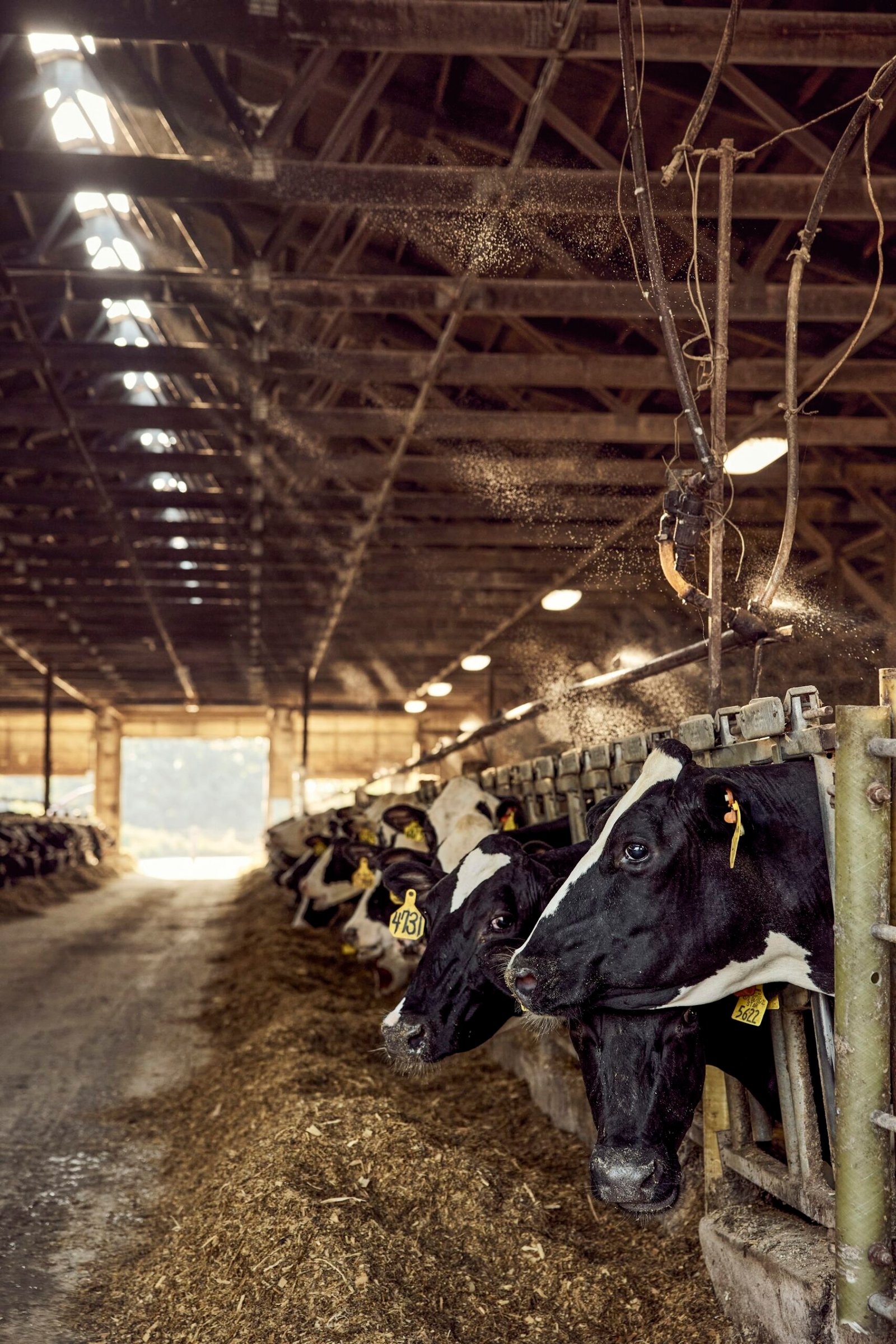
Holstein cows with yellow ear tags eating at a feed bunk in a dim barn

Illustrative example

A Saturday night compressor failure

A 600-cow dairy's refrigeration compressor fails late on a Saturday with the tank nearly full. The technician can't come until Sunday, the milk warms, and the buyer rejects it. The dairy rents a portable chiller for the week while a part is shipped. That failure raises five questions.

  1. Is the compressor covered by equipment breakdown, and was the failure sudden or wear?
  2. Does a milk spoilage or contamination endorsement cover the rejected tank, and what is its limit?
  3. Is the portable chiller covered as an extra expense?
  4. Does business income pay for the lost milk sales even though the dairy kept milking?
  5. What records does the insurer want, such as the service report, the buyer's rejection and milk weights?

Illustrative example. Not a real client's policy.

After a loss

If a loss has already happened

Follow your policy's claim instructions and contact your agent or insurer promptly. Then gather these.

  • The date and time of the failure, and when you found it
  • Service and repair reports, and photos of the damaged equipment
  • Milk weights, tank records and any rejection from the buyer
  • Receipts for temporary equipment, extra labor and hauling
  • Milk production records from before and after the loss

Follow milk-handling and safety rules while you document the loss. Buying coverage after a loss doesn't cover a loss that has already happened.

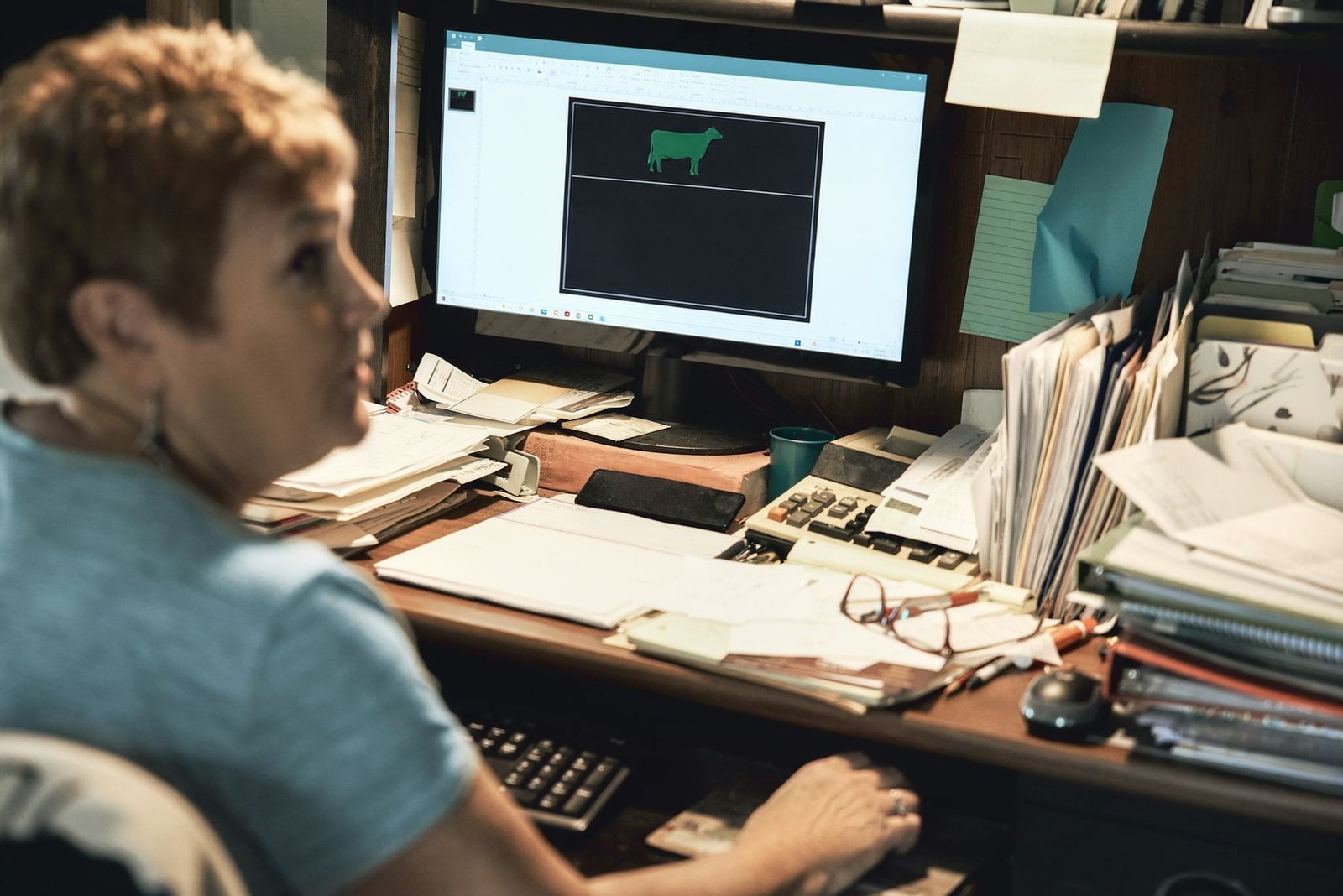
Woman at a cluttered farm office desk looks up at a computer monitor showing a cow graphic

How a review works

Four steps, starting with how you work

  1. Tell us how your dairy runs

    Your milking and cooling systems, power and backup, and where your milk goes.

  2. Send what you have

    Current policies, endorsements and an equipment list.

  3. We walk through a failure with you

    We show you which part of the policy answers each part of the loss.

  4. You decide

    In Jonathan Killian's words, “At the end of the day, the client is the one that needs to determine what makes the best sense for them.”

Questions about breakdown and milk loss

No. Equipment breakdown covers sudden mechanical or electrical failure. Damage from fire or a storm falls under farm property, and wear or poor maintenance is usually excluded. Ask how your policy words it.

Sometimes, but often only up to a small limit or through a separate endorsement. Check whether your breakdown coverage includes spoilage and what its limit is.

It depends on where the outage starts and how the policy is written. Some policies cover an outage that starts off the farm only with an added endorsement. Ask about both the milk and lost income.

Not always. Some policies pay only for a full shutdown. In the Mengel case, a federal court denied lost income because the dairy kept milking at lower production. Ask how your policy defines an interruption.

Parts of it can be. In the Mengel case, cattle losses could fall under electrocution coverage, but lost income was denied. Have the voltage tested, keep the results and ask which coverages apply.

The other producers and the buyer may claim against you. That is a liability question. Some insurers cover it with a milk spoilage endorsement written for commingled milk.

Often not. In a Progressive Dairy article on storm endorsements, the business income endorsement described did not cover milk lost because trucks couldn't reach the farm or a plant closed for weather. Ask how your policy treats it.

Want someone to look at your dairy?

Killian Insurance Agency is based in Texas and works with dairies in the 20 states where Killian is licensed, listed at the bottom of this page.

Tell us how your dairy is set up and we'll walk through a breakdown with you, one part at a time. There's no cost to review your coverage.

Request a coverage review
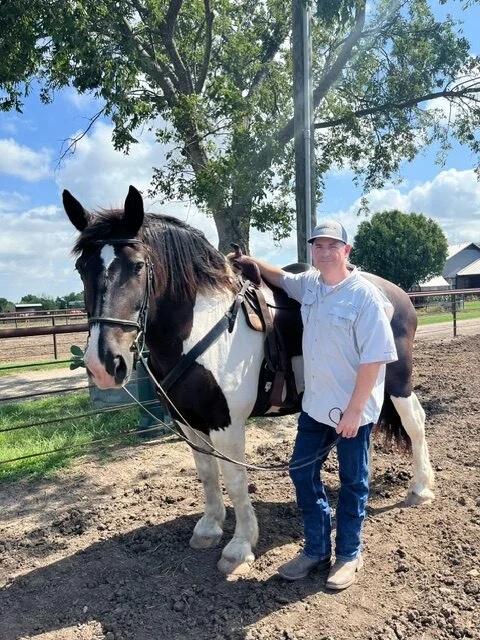
Jonathan Killian standing beside a saddled black-and-white paint horse in a corral
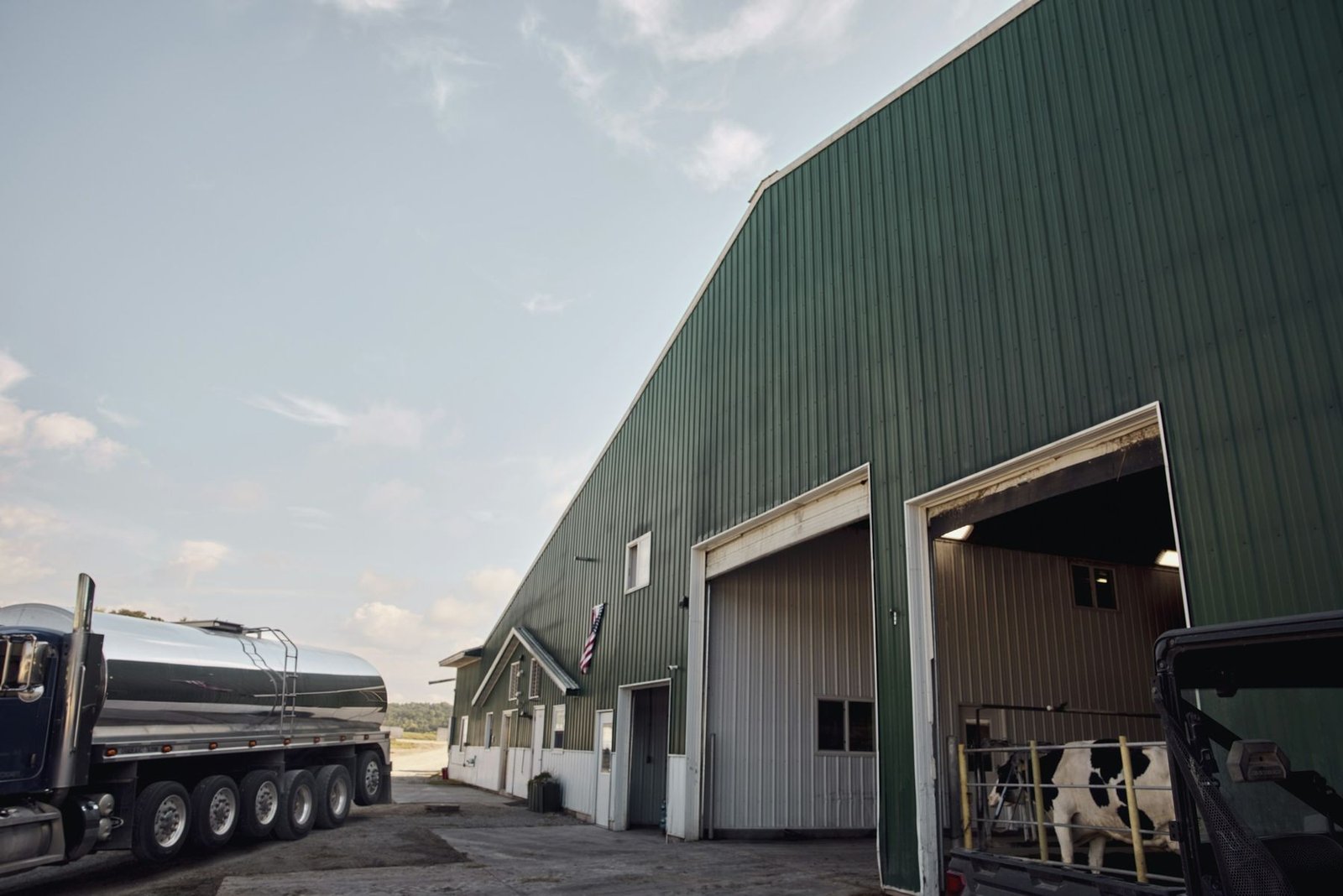
Woman in overalls walks down a barn feed alley past a red robotic feed pusher and Holstein cows at the rails